1 hr
Milan: Last Supper Guided Tour with Skip-the-Line Access
- Expert local guide
- Small group
- Skip-the-line access
- Free cancellation
The Last Supper — Reserved Entry & Expert-Led Tours
Leonardo's tempera unveiled in 15-minute slots, restored light by light.
Compare fares, pick the fit — all bookings are mobile-voucher and eligible for free cancellation where shown.
1 hr
3 hr
1 hr
| Experience | Duration | Rating | Skip-the-line | Guide | Small group | Free cancel. | Price | |
|---|---|---|---|---|---|---|---|---|
|
Guided Experience
Most popular
Milan: Last Supper Guided Tour with Skip-the-Line Access
|
1 hr | ★ 4.7 | ✓ | ✓ | ✓ | ✓ | €89 | Book → |
|
Guided Experience
Milan Walking Tour with Last Supper Skip-the-Line Access
|
3 hr | ★ 4.7 | ✓ | ✓ | ✓ | ✓ | €104 | Book → |
|
Guided Experience
Da Vinci's Last Supper Guided Experience
|
1 hr | ★ 4.6 | ✓ | ✓ | ✓ | ✓ | €82 | Book → |
Worth it for art lovers and history enthusiasts
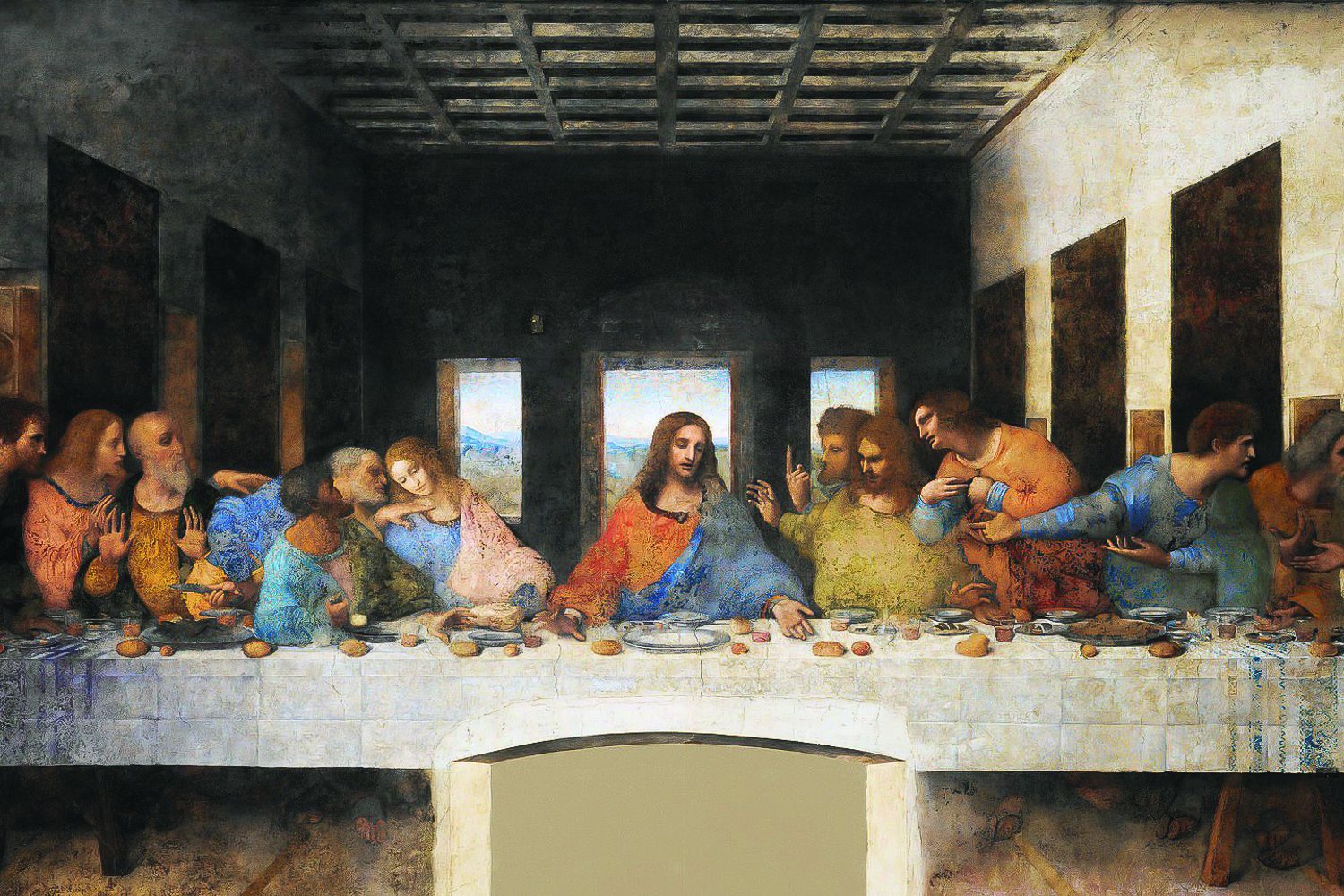
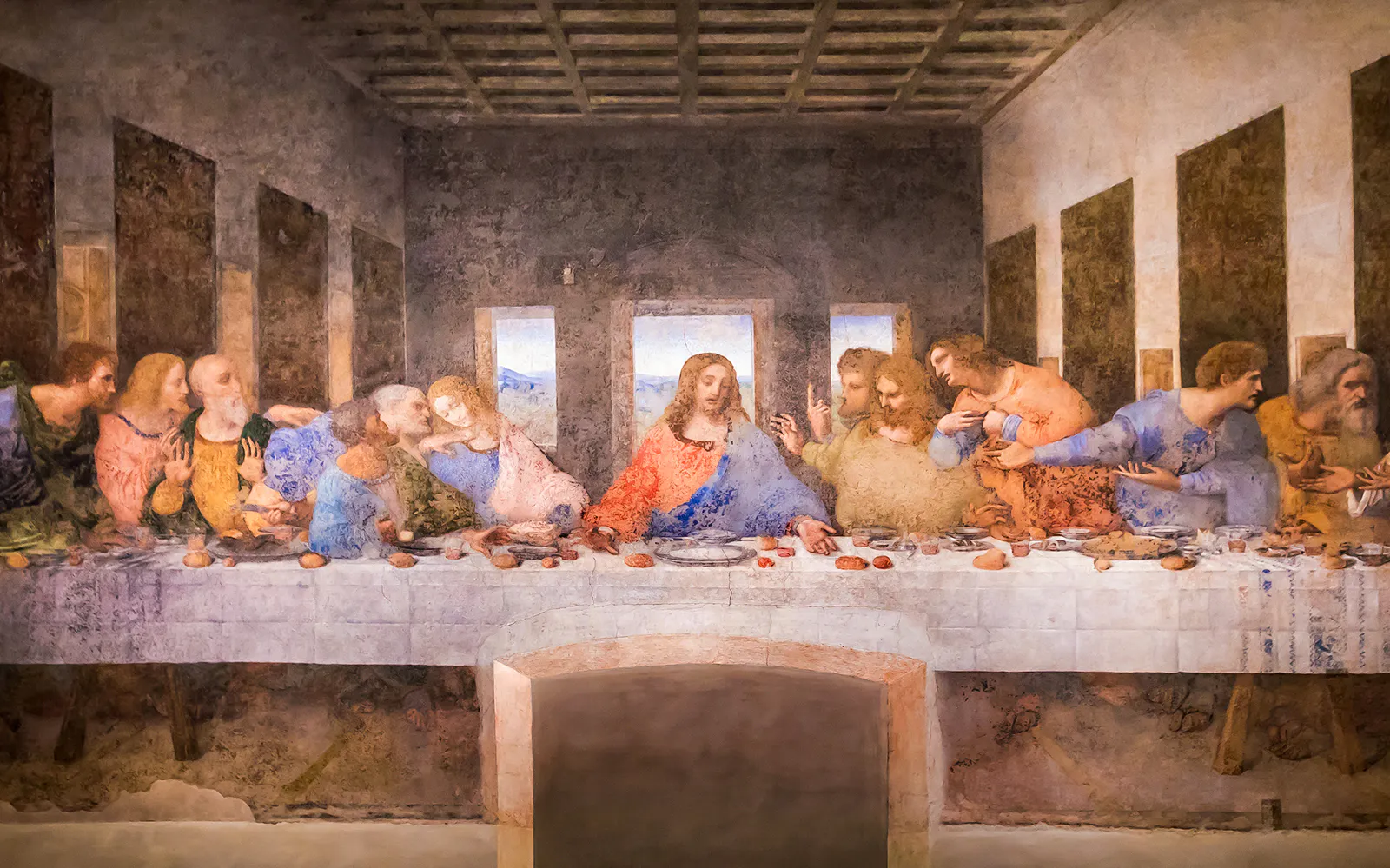
Securing last supper tickets milan means standing before Leonardo da Vinci's original 1495–1498 masterpiece in the Santa Maria delle Grazie refectory—not a reproduction, but the actual 15th-century mural that revolutionized Renaissance perspective. At 15 EUR including the booking fee, you're paying for a strictly timed 15-minute slot that limits groups to 25 visitors, preserving the fragile pigment while ensuring an intimate viewing experience. The booking process is notoriously complex—slots vanish months ahead—and the visit itself is brief, but few works carry comparable cultural weight. If you recognize the names Judas, Peter, or appreciate the technical triumph of one-point perspective, the effort justifies itself. Skip it only if Renaissance art holds no appeal or if the rigid reservation system feels incompatible with your travel style. For anyone drawn to prenotazioni cenacolo vinciano or Milan's UNESCO landmarks, this is the city's most significant indoor sight.
Bottom line: The combination of historical importance, intimate access, and fair pricing outweighs the booking complexity for anyone with even modest interest in Renaissance art.
Hand-picked experiences loved by thousands of travelers
3 hours
Free Cancellation
Three-hour guided journey through Milan's iconic landmarks, including priority entry to Da Vinci's masterpiece
1 hour
Free Cancellation
Experience Leonardo's Renaissance masterpiece with expert commentary and fast-track entry
3 hours
Free Cancellation
Three-hour guided exploration of Milan's iconic landmarks with reserved entry to Da Vinci's masterpiece
1 hour
Free Cancellation
Expert-led visit to Leonardo's masterwork inside Santa Maria delle Grazie with historical context
3 hours
Free Cancellation
Fast-track access to two of Milan's greatest treasures with expert commentary and city highlights
2 hours
Free Cancellation
Step into Renaissance Milan with reserved access to Leonardo's iconic mural and a guided walk through castle history
6 hours
Free Cancellation
Six-hour guided exploration of Milan's art and architecture with priority entry to da Vinci's masterpiece
Arrive at the ticket office to validate your booking and pick up your official entry pass.
Pass through security and store any large items in the lockers provided.
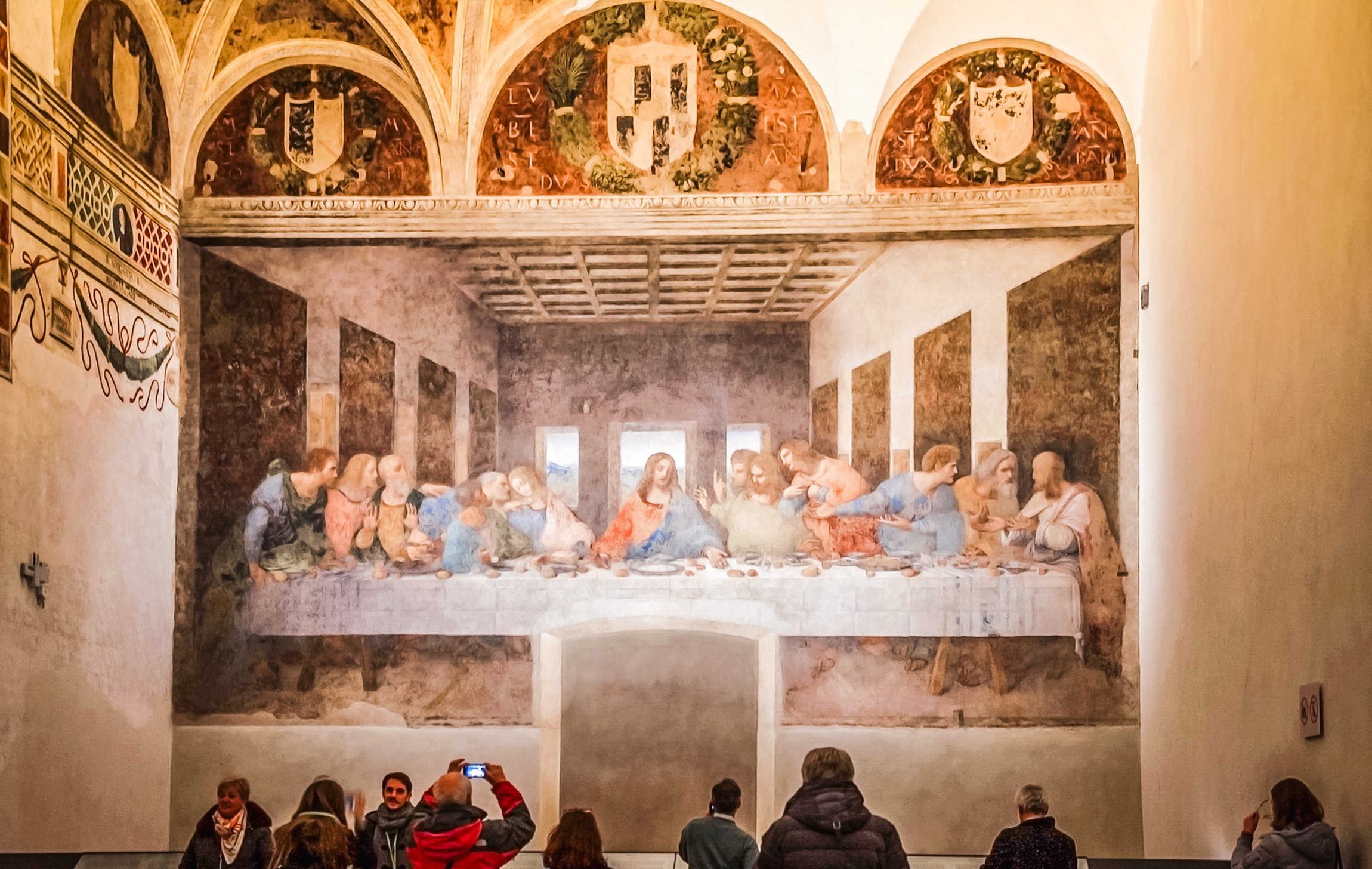
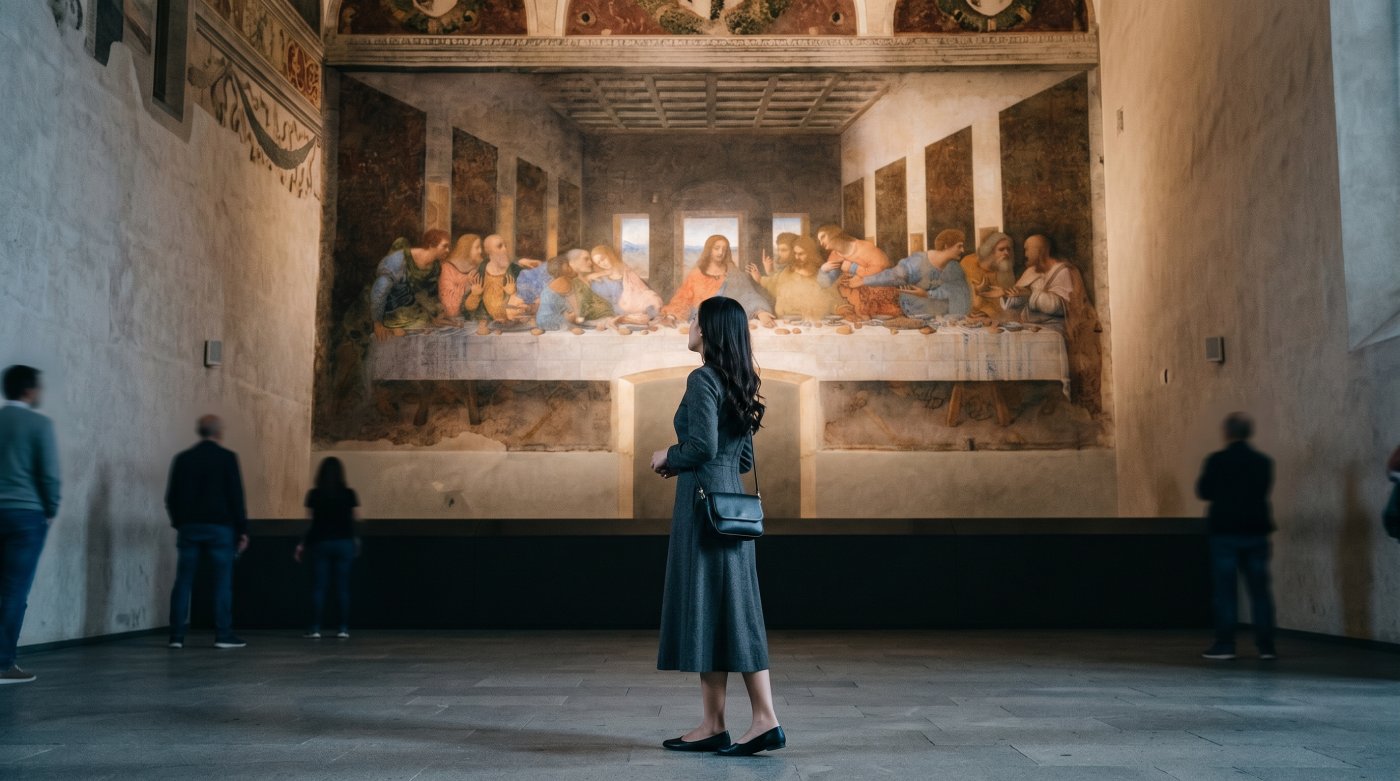
Enter the climate-controlled chamber to admire the mural in your timed 15-minute window.
Browse the surrounding exhibition panels for context on the history and restoration of the mural.
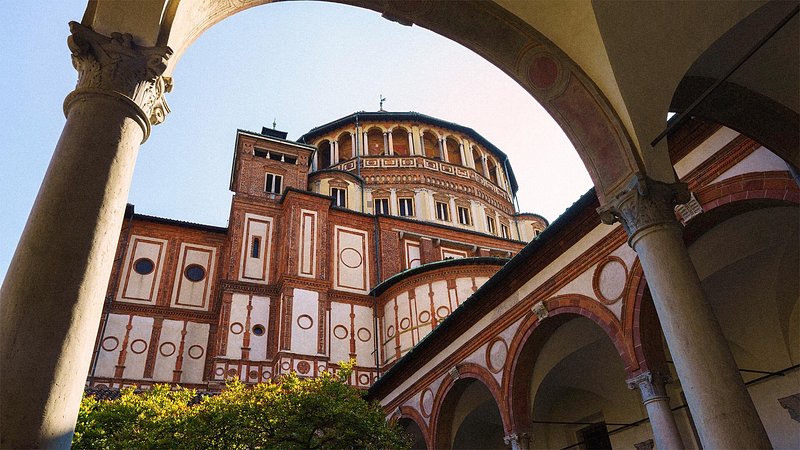
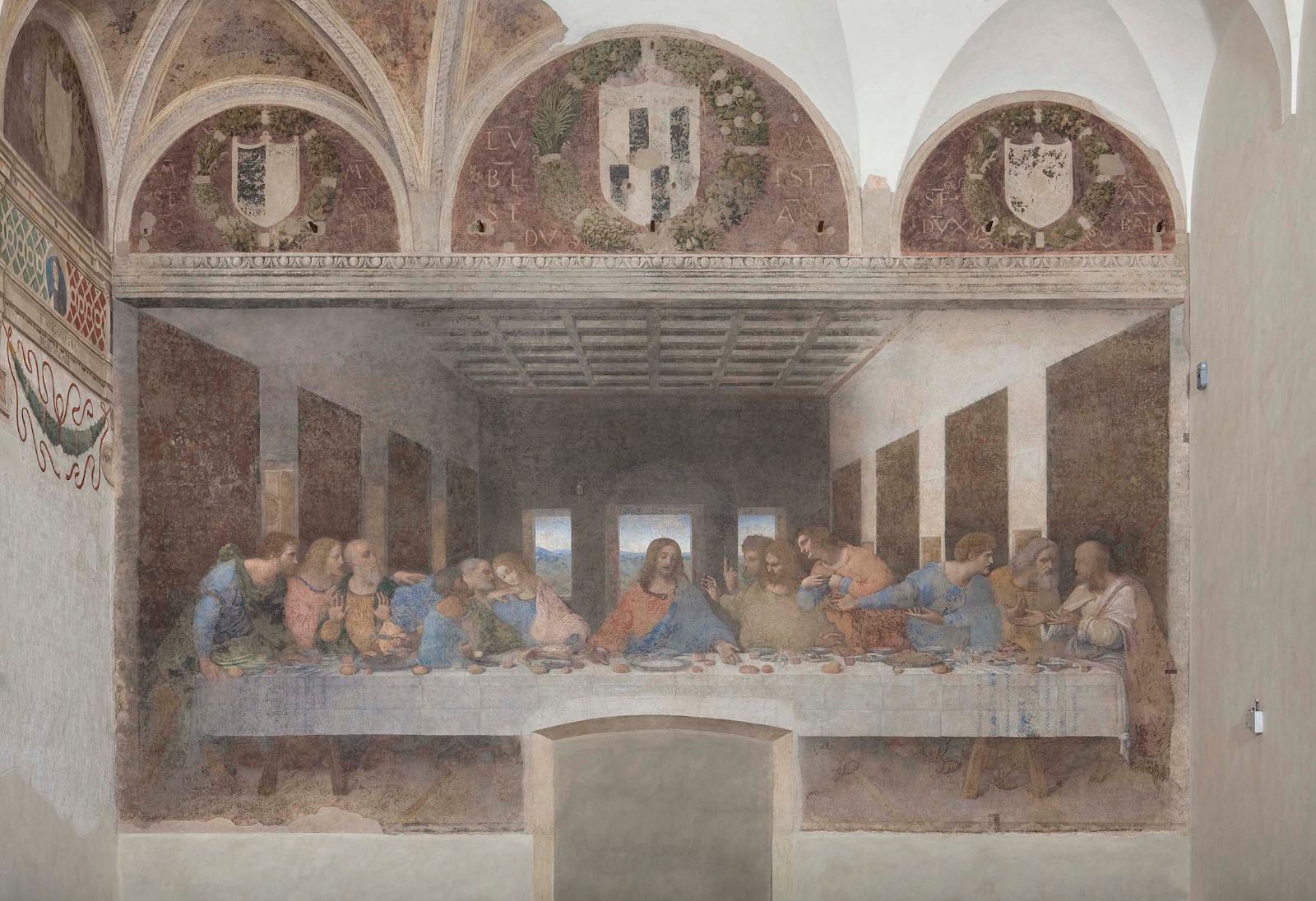
The primary site where Leonardo painted The Last Supper using experimental tempura and oil on dry plaster in 1495.
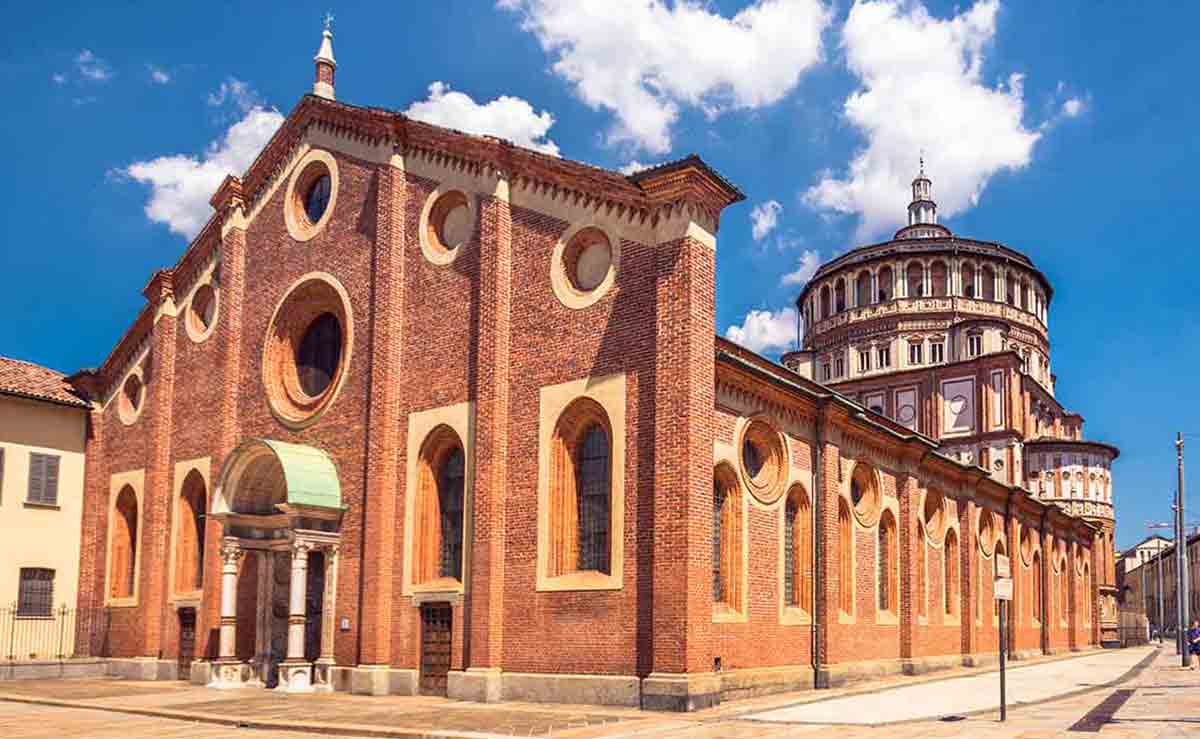
The UNESCO-protected monastic complex that has survived centuries of conflict, including WWII bombing raids.
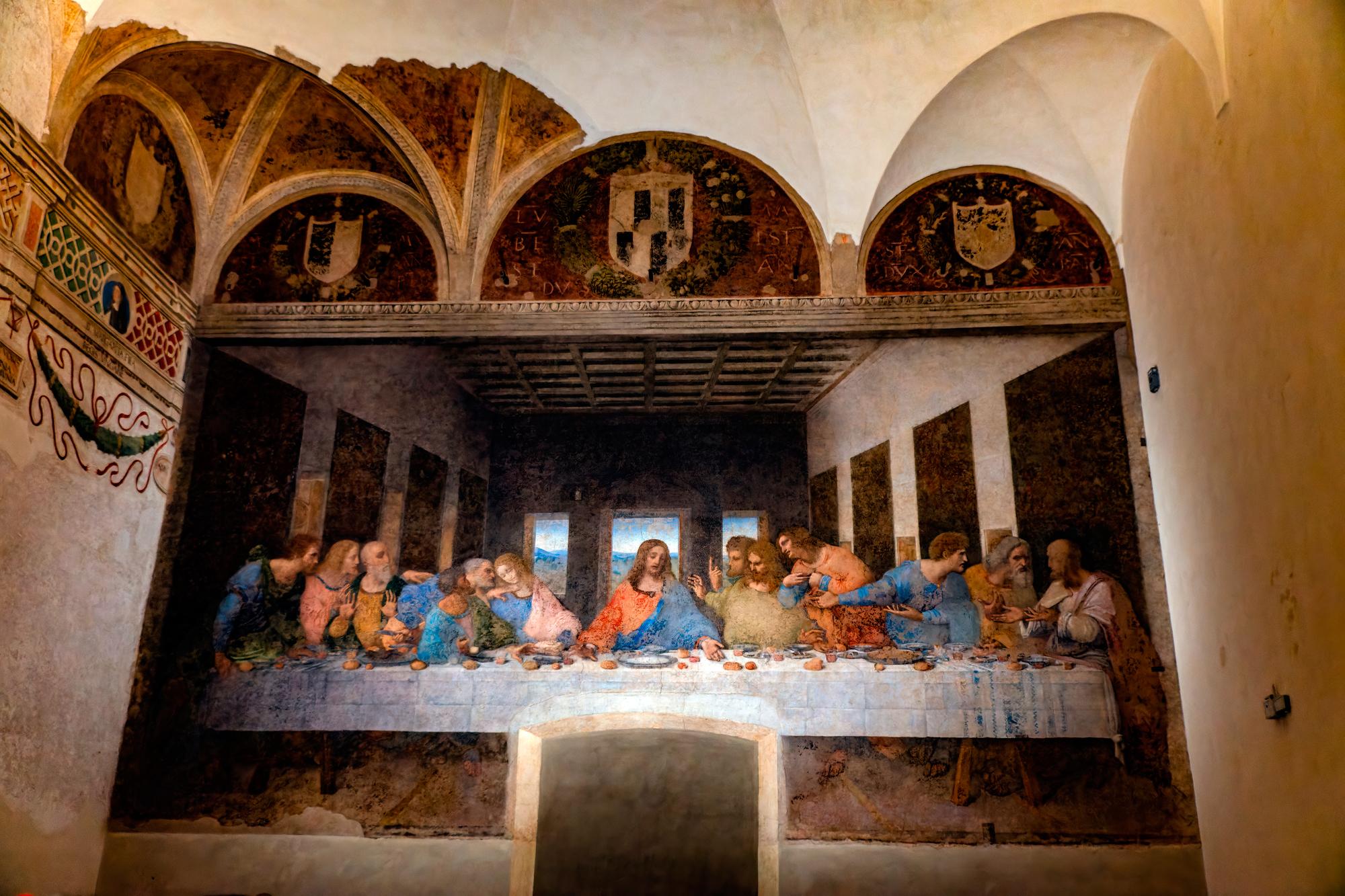
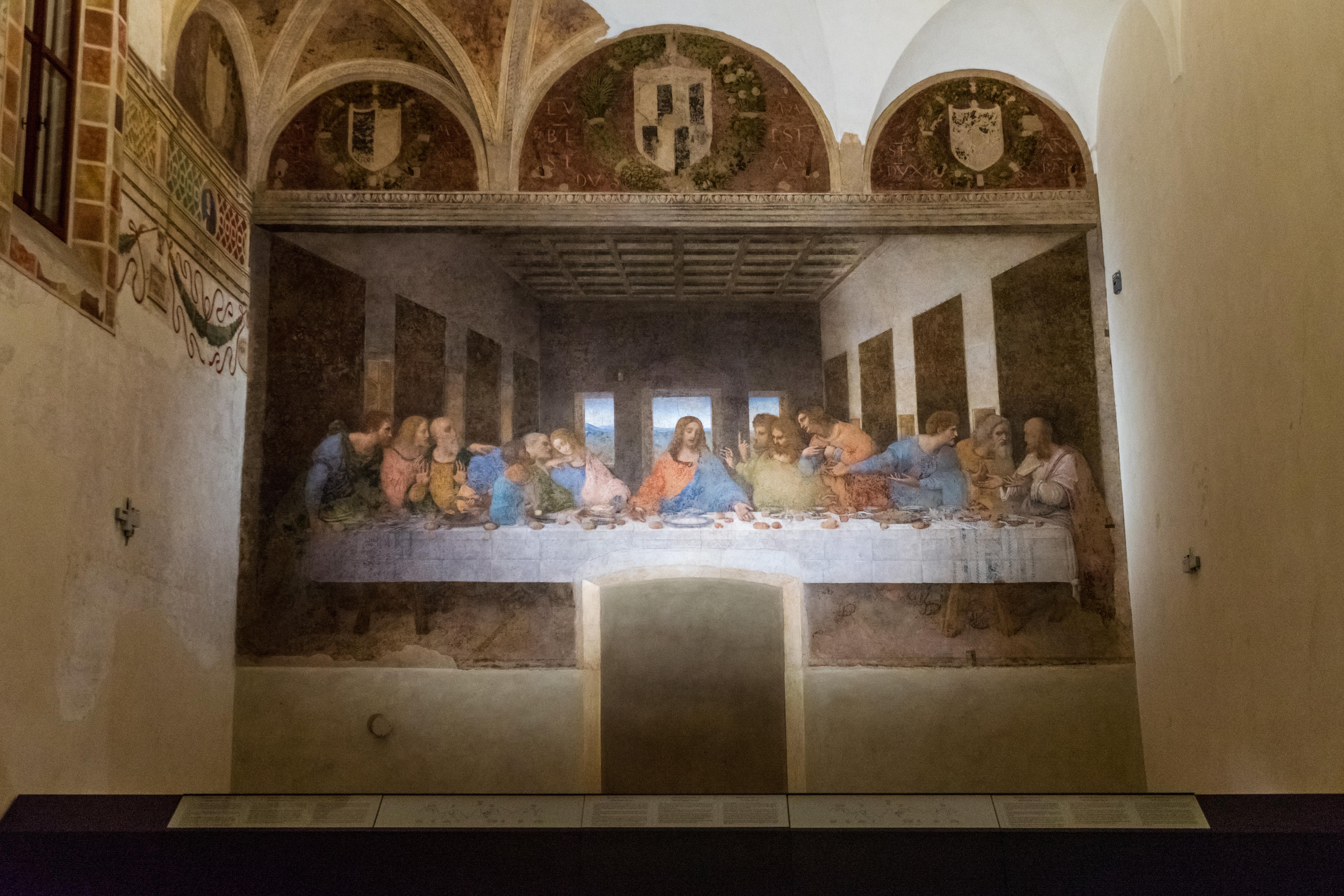
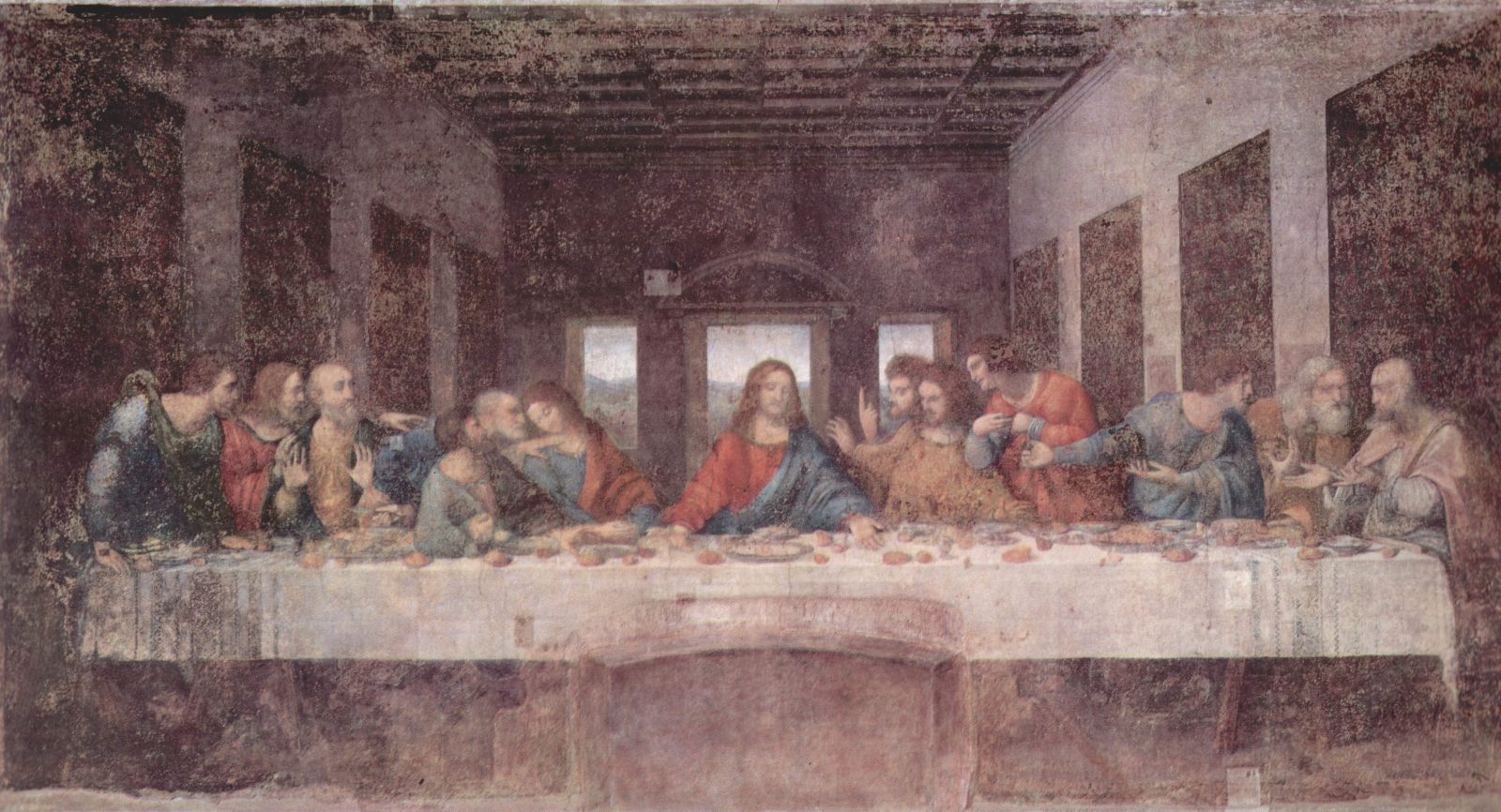
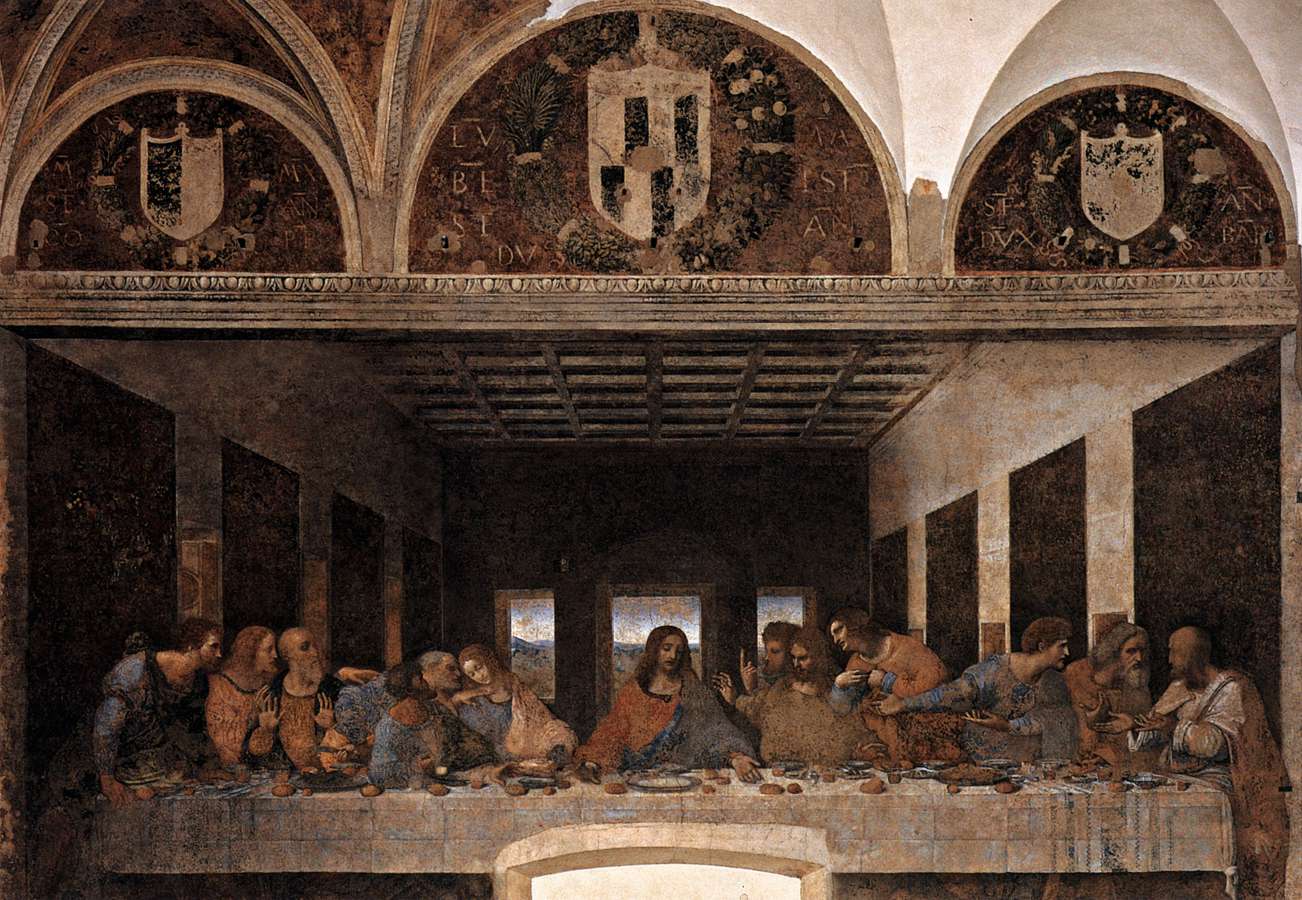
The mural's composition uses a sophisticated vanishing point that centers all focus directly on the figure of Christ.
Displays inside the museum detail the decades-long preservation efforts that saved the painting from decay.
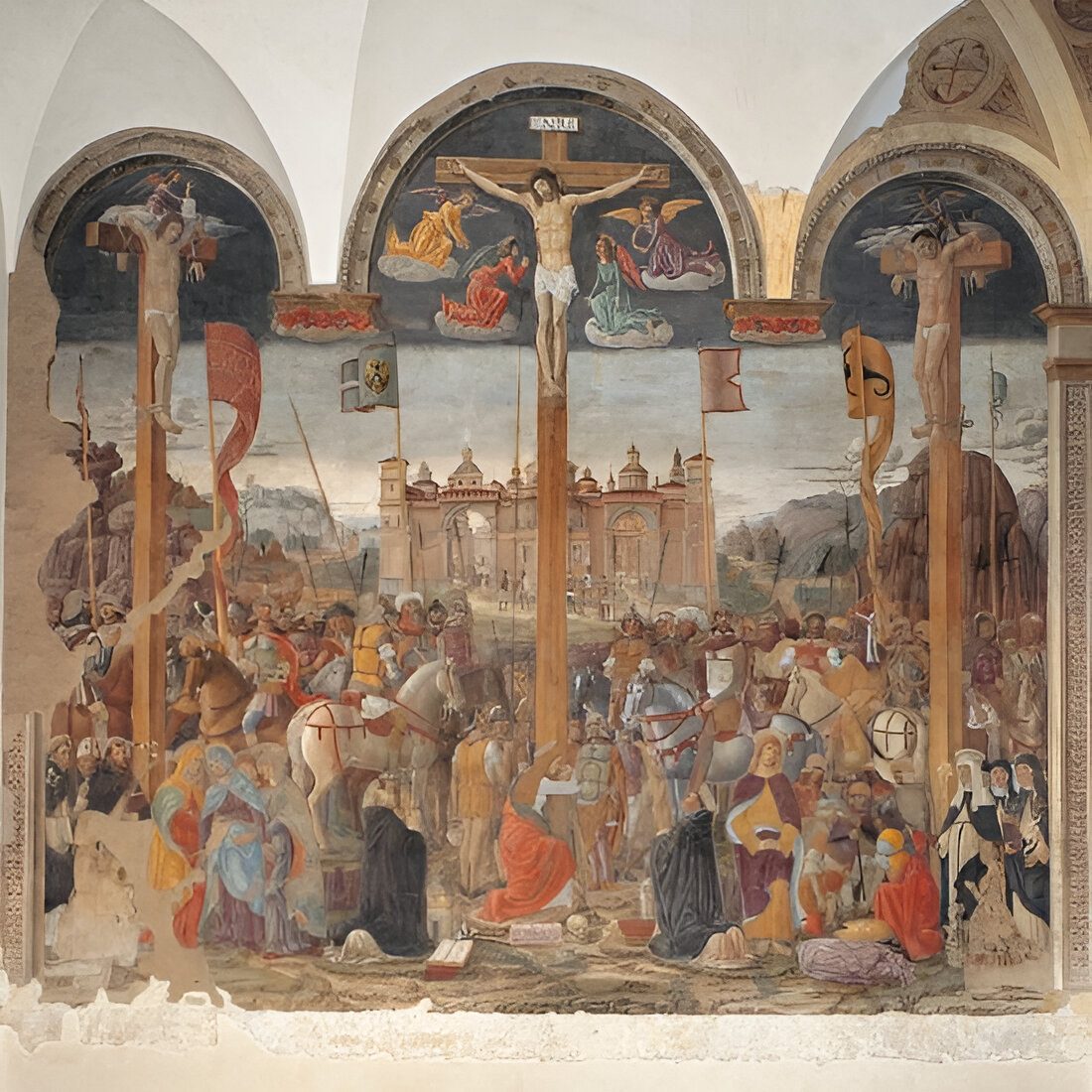
A poignant fresco by Donato Montorfano located on the opposite wall of the refectory from Leonardo's work.
You pass through two climate-controlled antechambers before the refectory door opens, a decompression sequence that drops humidity and filters particulates.
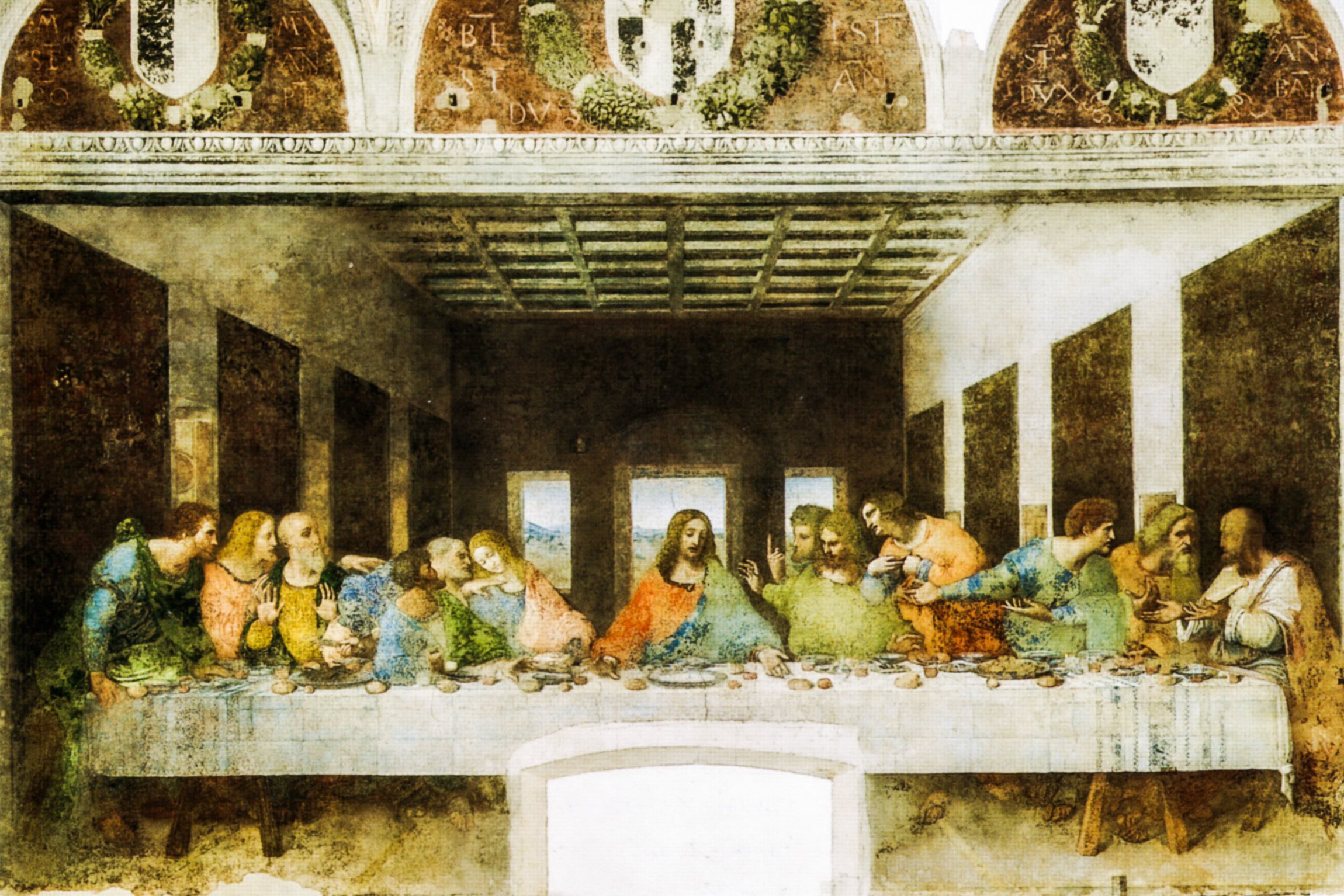
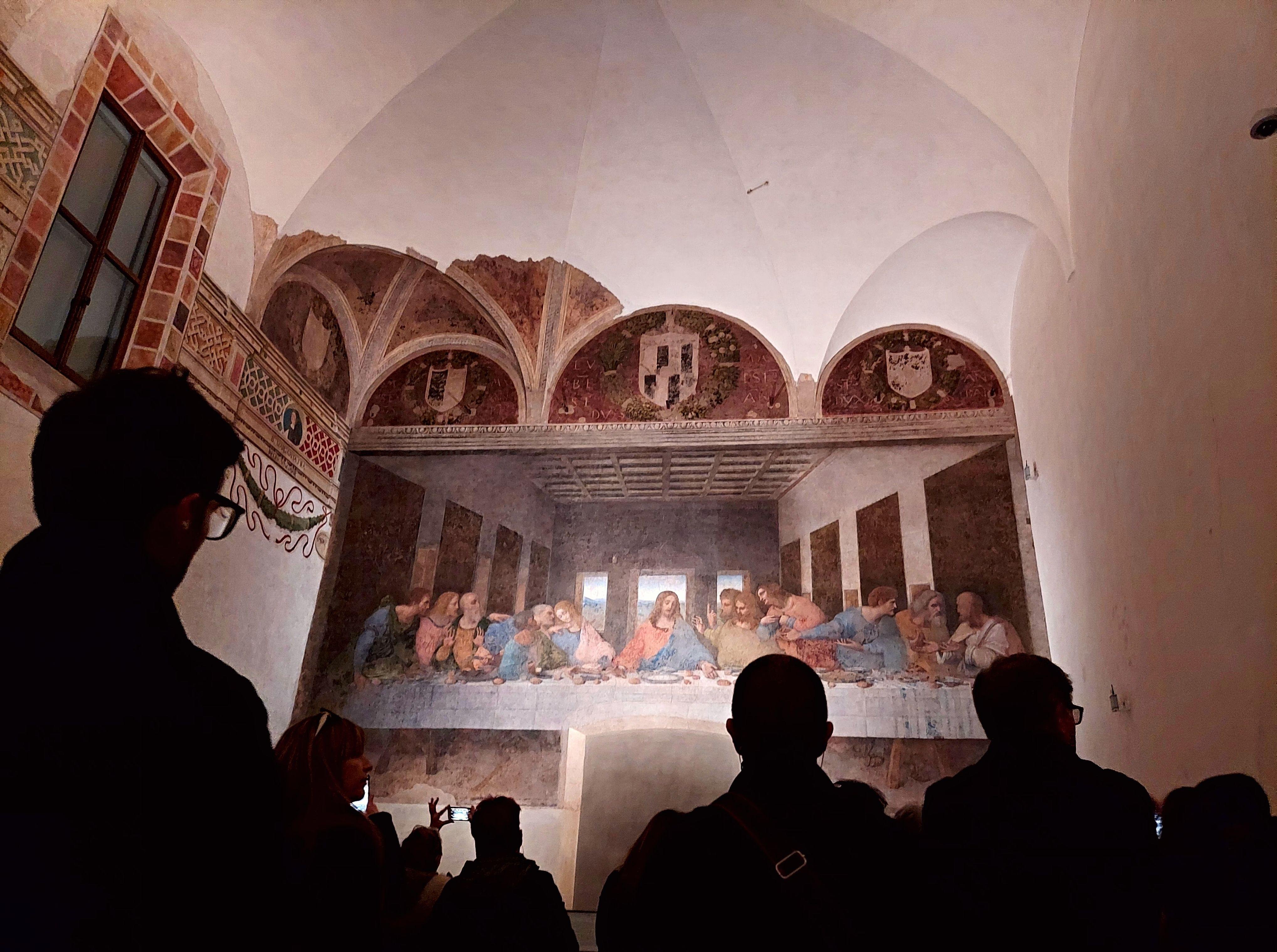
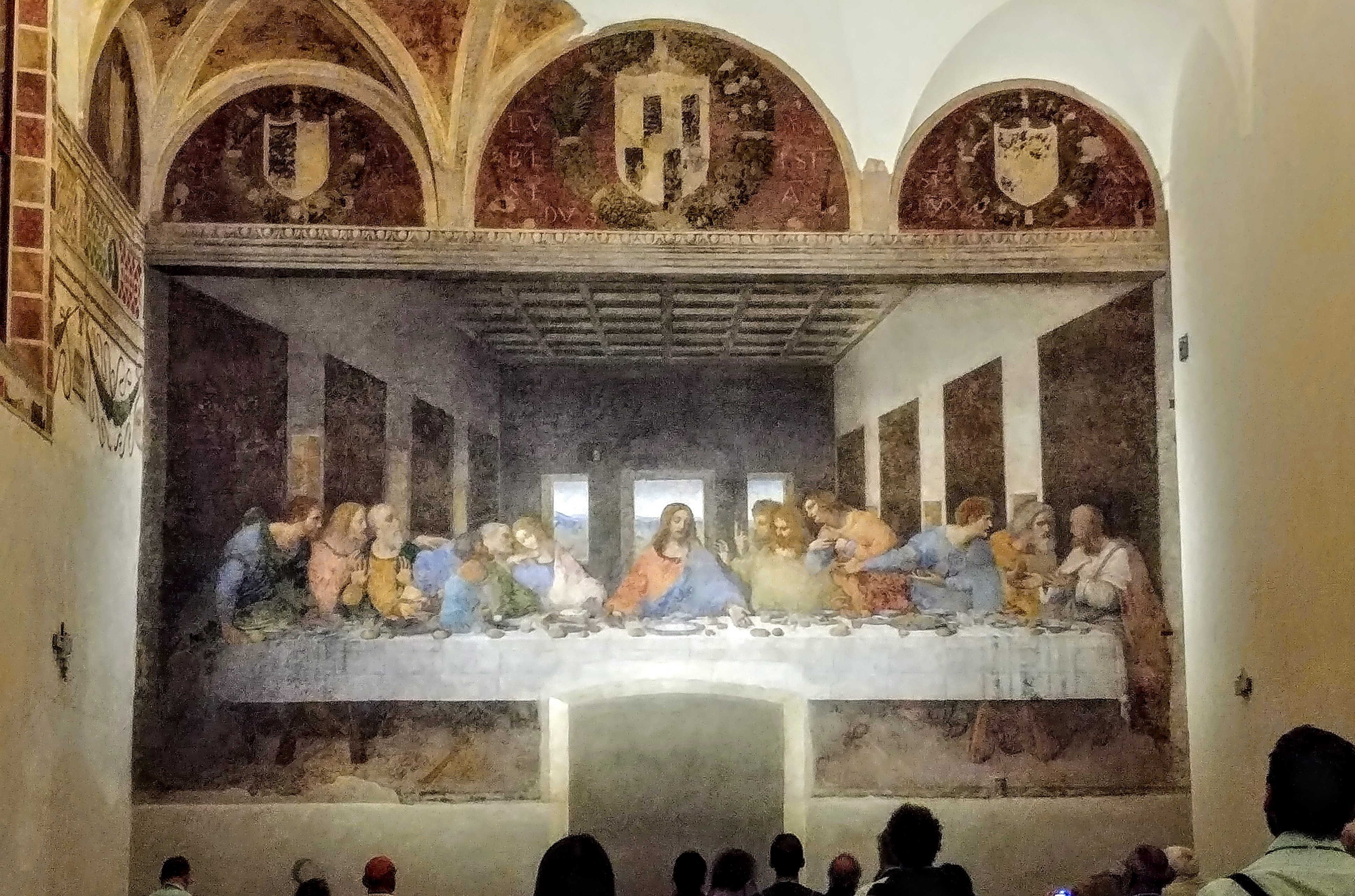
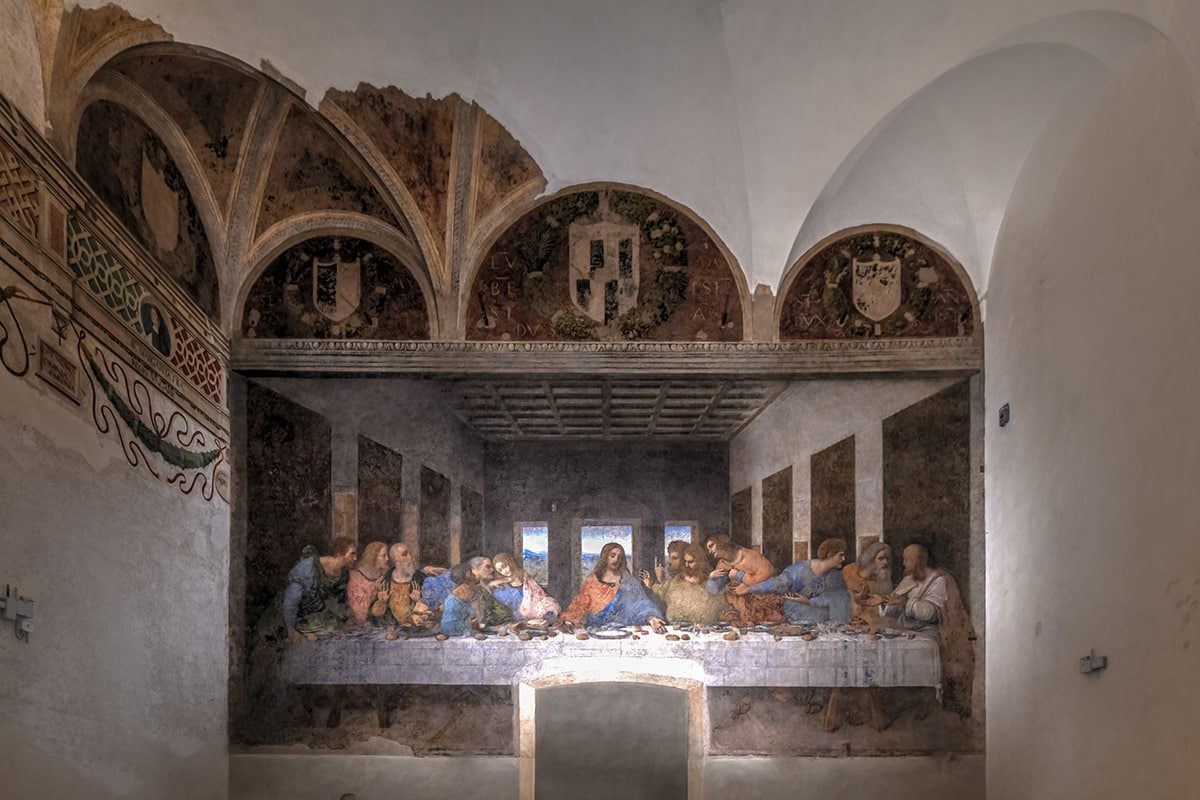
The north wall appears first — not the darkened tableau you expected from reproductions, but a chamber filled with light where Christ's outstretched hands anchor thirteen figures in mid-gesture. Judas leans back, silver purse clenched, his face shadowed where others catch sunlight. You step closer and the perspective shifts: every architectural line, every ceiling coffer, every window in the painted room converges on Christ's right temple, pulling your gaze to the still center of a composition in violent motion.
The fifteen-minute window feels both insufficient and perfectly calibrated. You notice details the reproductions miss — bread rolls scattered with botanical precision, the texture of folded linen, the way Peter's hand grips a knife behind Judas. The tempera has faded in places, revealing Leonardo's underdrawing, but what survives carries an immediacy fresco could never achieve. A docent gestures toward Montorfano's Crucifixion on the opposite wall, a conventional fresco whose intact surface only underscores how fragile Leonardo's experiment was. Then the attendant signals, and you exit through the second airlock, returning to Milan with the memory of a room where perspective, light, and human psychology converged in a way no earlier artist had attempted.
All the details about your upcoming adventure in one place
Secure your last supper tickets milan to view Leonardo da Vinci's iconic mural in the refectory of Santa Maria delle Grazie. This Renaissance masterpiece, painted between 1495 and 1498, depicts Christ's final meal with his apostles and requires advance booking due to strict climate-controlled viewing protocols. Last supper tickets milan tours grant precisely timed 15-minute sessions to preserve the fragile tempera work, and visitors can explore the convent grounds after viewing the cenacolo.
Leonardo da Vinci worked four years on 460 square feet of refectory wall, abandoning fresco technique for experimental tempera and oil that began flaking within two decades of completion in 1498.
The mural depicts Christ's final meal in a single frozen moment — the instant after he announces betrayal — and uses one-point perspective so radical that every sightline converges on Christ's right temple. Painted for Duke Ludovico Sforza's Dominican convent, it survived Napoleon's troops using the refectory as a stable, Allied bombing in 1943 that destroyed the south wall but left the north intact, and centuries of repainting by restorers who misunderstood Leonardo's palette.
Today, Last Supper tickets Milan secure access to what twenty-two years of conservation — completed in 1999 — painstakingly uncovered: not the darkened tableau tourists expected, but a luminous chamber where Judas grips his silver purse in shadow and bread rolls scatter across linen rendered in microscopic detail. The UNESCO World Heritage site admits only twenty-five visitors per fifteen-minute slot, a protocol that stabilizes humidity and preserves pigment but makes spontaneous entry nearly impossible. Reservations open three months ahead and typically sell out within hours for summer and holiday windows.
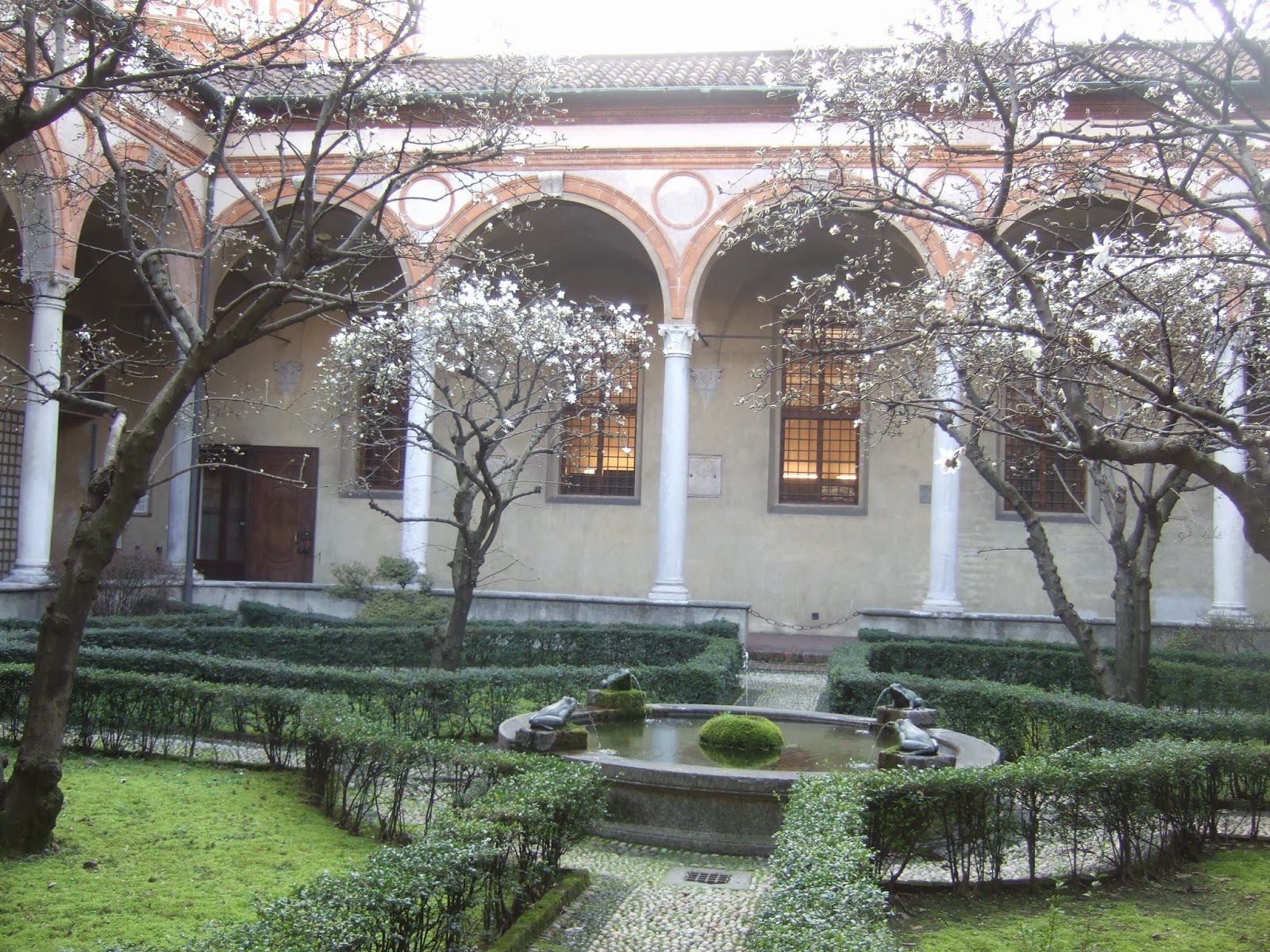
The architectural context matters as much as the image itself. Donato Bramante designed the church's tribune and cloister; the refectory's proportions — a long, narrow hall with high windows — gave Leonardo the vertical canvas he needed to anchor the perspective. Crucifixion by Giovanni Donato da Montorfano covers the opposite wall, a conventional fresco whose survival underscores how fragile Leonardo's experiment was. Milan renaissance art reaches its apex here, in a room where Dominican monks once ate in silence beneath the gaze of thirteen figures whose gestures and expressions scholars still debate.
Last Supper tickets Milan tours often pair the mural with entry to Santa Maria delle Grazie's cloister and Bramante's sacristy, or extend into broader Leonardo itineraries that include Castello Sforzesco's Sala delle Asse. The refectory itself offers no seating, no photography beyond the entrance, and a climate so carefully controlled that your fifteen minutes feel both generous and impossibly short. What remains after five centuries of entropy is not perfection but presence — the sense that Leonardo's hand, working wet pigment into dry plaster against every rule, made visible a psychological drama no earlier artist had dared attempt.

The mural survived Napoleon's cavalry, Allied bombing, and centuries of misguided restoration to emerge, in 1999, as Leonardo intended: luminous, precise, and radically human.
Modest attire is required as this landmark is located within a religious site. Shoulders and knees must be covered; avoid wearing shorts or tank tops.
Large bags and luggage are prohibited inside the museum. Small, timed lockers are available on-site for emergency use only, though it is recommended to leave bulky items at your accommodation.
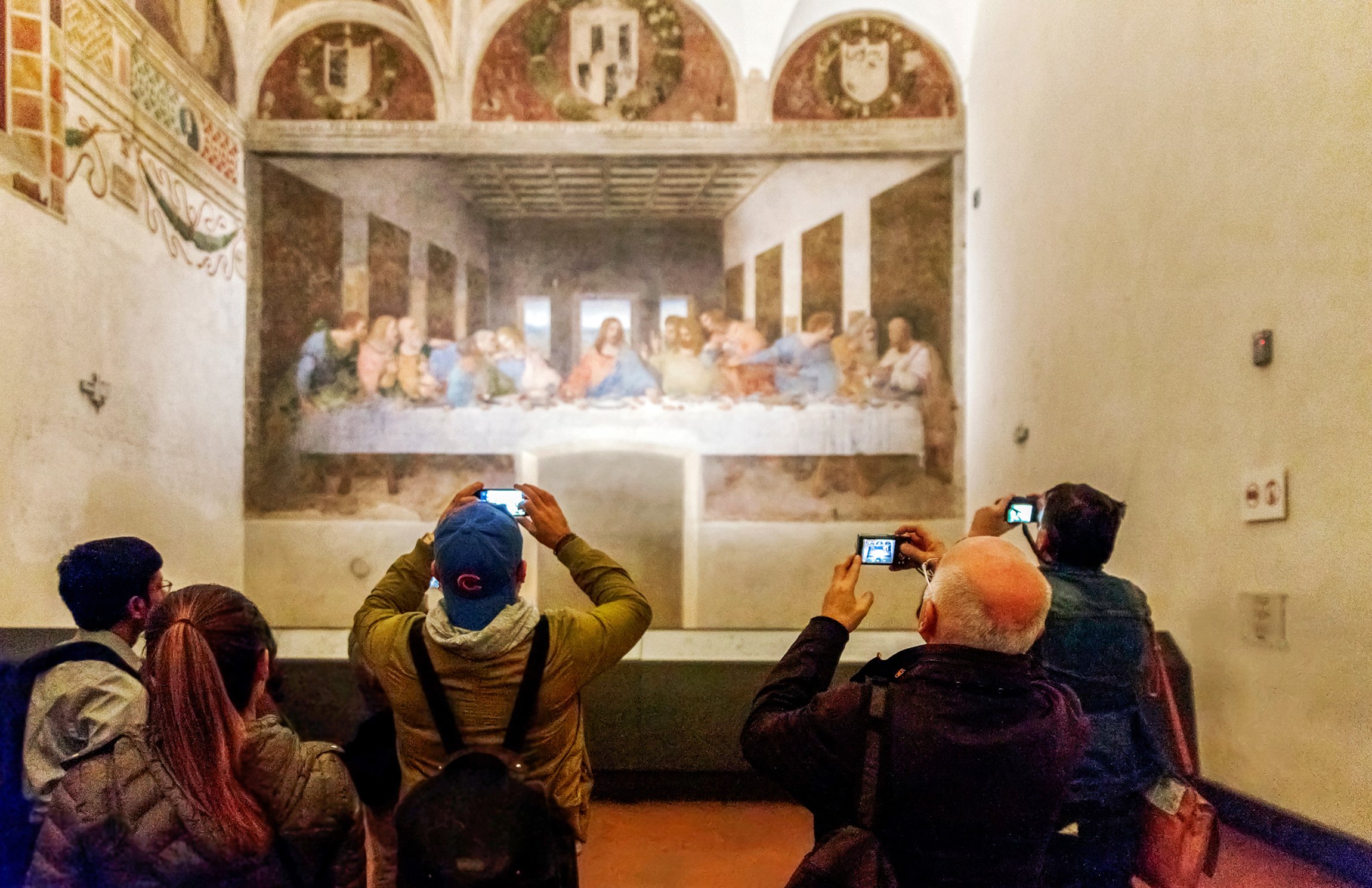
Flash photography and tripods are strictly prohibited. Always verify specific restrictions with staff during your check-in, as policies regarding non-flash photography can be subject to change.
Advance booking is mandatory for all visitors, including infants. While children are welcome, the strict 15-minute viewing window and quiet environment require respectful behavior.
The museum provides barrier-free access for visitors with reduced mobility. Complimentary wheelchairs are available for loan upon presenting valid identification.
Food and beverages are strictly forbidden within the museum and the refectory. Please consume all refreshments prior to your arrival.
Opening hours
Tuesday–Sunday 08:15–19:00
Address
Piazza Santa Maria delle Grazie, 2, 20123 Milano MI, Italy
Step-free access
Fully accessible with wheelchair availability
Best arrival
Mandatory arrival 30 minutes before 15-minute slot
Storage
Limited lockers available on-site
Official site
https://cenacolovinciano.org
Metro · 10-15 mins · Included in standard transit fare
Take Line M1 to Conciliazione station, followed by a 5-minute walk along Corso Magenta.
Train · 15 mins · Included in regional fare
Arrive at Cadorna FN station via regional or airport lines, then walk 8-9 minutes to the site.
Tickets for The Last Supper are non-refundable and cannot be modified once purchased. You must arrive at the ticket office 30 minutes before your slot to avoid forfeiting your 15 EUR entrance fee.
Recommended time
1 hour total
Your experience at the refectory centers on a strict 15-minute viewing period, requiring you to secure last supper tickets milan well in advance. Plan to arrive 30 minutes before your designated time to complete the mandatory check-in process at Piazza Santa Maria delle Grazie, 2, 20123 Milano MI, Italy. This last supper tickets milan tour logistics ensures that crowds remain manageable, though early morning slots often provide a calmer atmosphere for viewing the tempera wall painting. Consider last supper tickets milan tours if you prefer guided context before or after your fleeting encounter with this Renaissance masterpiece.
Crowd levels through the day
Weather · crowds · average price — dots go green to amber to red as each metric rises.
Mild temperatures and thinner crowds make April and May ideal for visiting Milan attractions.
Expect high temperatures and peak tourist volumes; booking 3 months in advance is essential.
Cooler weather in September and October provides a comfortable setting for exploring this city landmark.
Quiet periods occur in late January, but festive holiday weeks in December remain highly competitive for reservations.
Check the official site on Wednesdays at 12:00 PM for additional ticket releases for the following week if your desired date is sold out.
Piazza Santa Maria delle Grazie, 2
Located 10 meters to the left of the museum entrance.
Get directionsLeonardo da Vinci began work on The Last Supper in 1495, commissioned by Duke Ludovico Sforza for the refectory of Santa Maria delle Grazie. Rather than using traditional fresco technique, Leonardo experimented with tempera on gesso, pitch, and mastic—a choice that allowed him to work slowly and revise details but doomed the painting to rapid deterioration. By 1517, the surface had already begun flaking. The innovative last supper tickets milan system today exists partly because the mural's fragility demands strict environmental controls and limited visitor exposure. The seventeenth century brought catastrophic interventions. In 1652, Dominican friars cut a doorway through the lower center of the composition, destroying Christ's feet and the table's base. Subsequent restorers repainted large sections, often inventing details where Leonardo's original work had vanished. Napoleonic troops used the refectory as a stable in 1796, throwing stones at the apostles' faces. By the nineteenth century, six layers of overpainting obscured whatever remained of Leonardo's hand. Milan's industrial pollution accelerated the decay, and Allied bombing in 1943 reduced the refectory to rubble—yet the north wall, bearing the mural, survived beneath protective sandbags and scaffolding. Piero Marani led the most ambitious restoration from 1978 to 1999, a twenty-one-year effort that removed centuries of repainting and stabilized Leonardo's surviving pigment. Conservators worked millimeter by millimeter, using solvents and scalpels to strip away false additions. The result revealed a paler, more fragmented composition—approximately twenty percent of the surface is now Leonardo's original work, the rest neutral infill or lost entirely. This restoration established the climate-controlled viewing protocol that governs last supper tickets milan tours today. Visitors now enter through airlocks, spending exactly fifteen minutes in the refectory to prevent humidity spikes. The Cenacolo Vinciano remains less a pristine artwork than an archaeological site, its survival the product of engineering as much as art history.
Leonardo da Vinci paints The Last Supper using experimental tempera technique on dry plaster.
Dominican friars cut doorway through lower center, destroying Christ's feet.
Napoleonic troops occupy refectory, defacing apostles and using space as stable.
Allied bombing destroys refectory; sandbags protect mural from collapse.
Piero Marani directs twenty-one-year restoration, removing six layers of overpainting.
Climate-controlled viewing protocol limits visits to fifteen minutes with mandatory reservations.
Finding quality dining near last supper tickets milan is straightforward, as several historic trattorias and cafes occupy the surrounding streets of the Magenta district. While no dining options exist inside the refectory, the area offers refined culinary experiences for those using their last supper tickets milan tours.
A historic spot perfect for an espresso or aperitivo after viewing the mural. It is a local landmark known for its classic Milanese atmosphere and lively crowd.
This traditional venue serves authentic regional dishes like risotto alla Milanese in a cozy setting. It is ideal for a full meal before heading to your last supper tickets milan tour.
A well-known destination for those seeking reliable Neapolitan-style pizza in a relaxed environment. This location provides a consistent option for visitors holding last supper tickets milan tickets and looking for a quick, savory bite.
Real experiences from real travelers
Securing last supper tickets milan requires planning at least two weeks ahead during peak season. The 15-minute viewing window felt brief but the refectory atmosphere and Leonardo's composition justify the effort. Our August morning slot avoided crowds and the soft natural light through the windows enhanced the fresco's detail.
The timed entry system keeps groups small and quiet inside the refectory. Standing before Leonardo's masterpiece after passing through climate-controlled airlocks emphasizes the conservation care. Guide pointed out recently restored sections and explained the tempera technique on dry plaster that makes this work so fragile.
After several sold-out dates I finally secured entry for a Tuesday afternoon. The actual mural viewing in Santa Maria delle Grazie lasted exactly 15 minutes but seeing the scale and subtle expressions of each apostle in person revealed details no photograph captures. The refectory itself is impressive Renaissance architecture.
The strict 15-minute limit feels rushed when you've traveled specifically to see Leonardo's Last Supper. However the small group size and hushed environment create an intimate viewing experience. Tickets for popular last supper tickets milan tours sell out months ahead so flexibility with dates helps.
Recent conservation work has brought remarkable color back to the fresco. Our September visit meant cooler weather and slightly fewer tourists competing for time slots. The guided explanation of Leonardo's perspective technique and the deterioration history added context that enriched the 15 minutes inside the refectory.
Cenacolo Vinciano deserves its reputation as Milan's essential cultural site. The booking process through official last supper tickets milan tickets channels took patience but ensured legitimate entry. Afternoon light through the refectory windows illuminated Cristo's face beautifully and the silence among viewers felt reverent.
Booked three months ahead for late August and every slot in our preferred week was already filling. The convent complex of Santa Maria delle Grazie provides beautiful Renaissance context before entering the famous refectory. Fifteen minutes passes quickly but the image stays with you long after leaving Milan.
March offered easier booking availability for last supper tickets milan compared to summer months. The temperature-controlled environment protects Leonardo's fragile tempera work and makes viewing comfortable year-round. Seeing the actual scale of the mural wall and the apostles' life-size proportions exceeded expectations built from book reproductions.
Small group capacity preserves the contemplative atmosphere Leonardo likely intended for this refectory space. Our July morning tour included explanation of the experimental technique that caused the paint deterioration over five centuries. The surviving color and composition still communicate extraordinary emotional depth in each apostle's reaction.
Beyond the famous mural the entire Santa Maria delle Grazie complex rewards exploration. Last supper tickets milan tours often include the church and cloister which provide architectural context for Ludovico Sforza's 15th-century patronage. The strict preservation protocols inside the refectory demonstrate Italy's commitment to protecting this fragile masterpiece for future generations.
Everything you need to know for your journey
You must book via the official portal or authorized call center well in advance; additional weekly last supper tickets milan are released on Wednesdays at 12:00 PM.
The attraction is open Tuesday–Sunday 08:15–19:00, with the final entry at 18:45.
No, once purchased, last supper tickets milan are non-transferable and the date and time cannot be changed.
Professional photography is banned; ask staff about non-flash photography at check-in for your last supper tickets milan visit.
Yes, shoulders and knees must be covered to respect the religious setting of The Last Supper.
No, you cannot bring large bags into The Last Supper, so use local storage before your last supper tickets milan slot.
Yes, but every child needs a booked spot and must remain quiet during the 15-minute viewing period of The Last Supper.
The full fare for last supper tickets milan is 15 EUR per person, inclusive of the reservation fee.
No, all last supper tickets milan are non-refundable regardless of circumstances.
You can easily visit Santa Maria delle Grazie or Sforza Castle after your time at The Last Supper.
A UNESCO World Heritage site and a masterpiece of Renaissance architecture.
A historic fortification that once served as the residence of the Dukes of Milan.
A large urban green space located behind the Sforza Castle perfect for a post-museum walk.
A vast collection showcasing the technological and artistic genius of Da Vinci.
Area surrounding the site filled with elegant historic buildings and upscale dining options.
Convenient district for travelers relying on public transport and proximity to the main hub.
Primary location for high-end hotels near the heart of the city's fashion and business districts.
Join thousands of happy travelers who have discovered this incredible experience
Book Your Experience Now