1 hr
Da Vinci's Last Supper Guided Tour
- Expert local guide
- Small group
- Skip-the-line access
- Free cancellation
The Last Supper — Reserved Entry & Expert-Led Tours
Timed access to Leonardo's Cenacolo, preserved in the refectory where it was painted.
Compare fares, pick the fit — all bookings are mobile-voucher and eligible for free cancellation where shown.
1 hr
3 hr
3 hr
| Experience | Duration | Rating | Skip-the-line | Guide | Small group | Free cancel. | Price | |
|---|---|---|---|---|---|---|---|---|
|
Guided Experience
Most popular
Da Vinci's Last Supper Guided Tour
|
1 hr | ★ 4.7 | ✓ | ✓ | ✓ | ✓ | €149 | Book → |
|
Skip-the-line
Milan Historical Walk with Last Supper Skip-the-Line Access
|
3 hr | ★ 4.7 | ✓ | — | — | ✓ | €104 | Book → |
|
Guided Experience
Milan Historical Walking Tour with Last Supper Access
|
3 hr | ★ 4.7 | ✓ | ✓ | ✓ | ✓ | €149 | Book → |
Worth it for art lovers and history enthusiasts
Last supper tickets milan tour options deliver access to one of Renaissance art's most fragile masterpieces, where Leonardo da Vinci's experimental tempera technique means only 25 visitors enter every 15 minutes. The 15 EUR base admission plus guided commentary reveals details invisible to untrained eyes—Christ's expression, the apostles' gestures, the mathematical perspective that revolutionized Western painting. Skip-the-line Last Supper access eliminates the weeks-long sellout window casual visitors face. Tours bundling the refectory with Milan's Duomo or Sforza Castle spread the per-site cost across multiple landmarks, turning a brief viewing into a half-day cultural immersion. The experience rewards preparation: knowing the biblical narrative, understanding Leonardo's sfumato method, and recognizing why this isn't a fresco but a wall painting on dry plaster. For travelers prioritizing iconic art over casual sightseeing, the timed-entry system and expert narration justify the investment. Surface-level tourists may find the 15-minute slot and strict photography ban restrictive.
Bottom line: Book ahead with a guided last supper tickets milan tour to unlock the layers of meaning casual viewing misses.
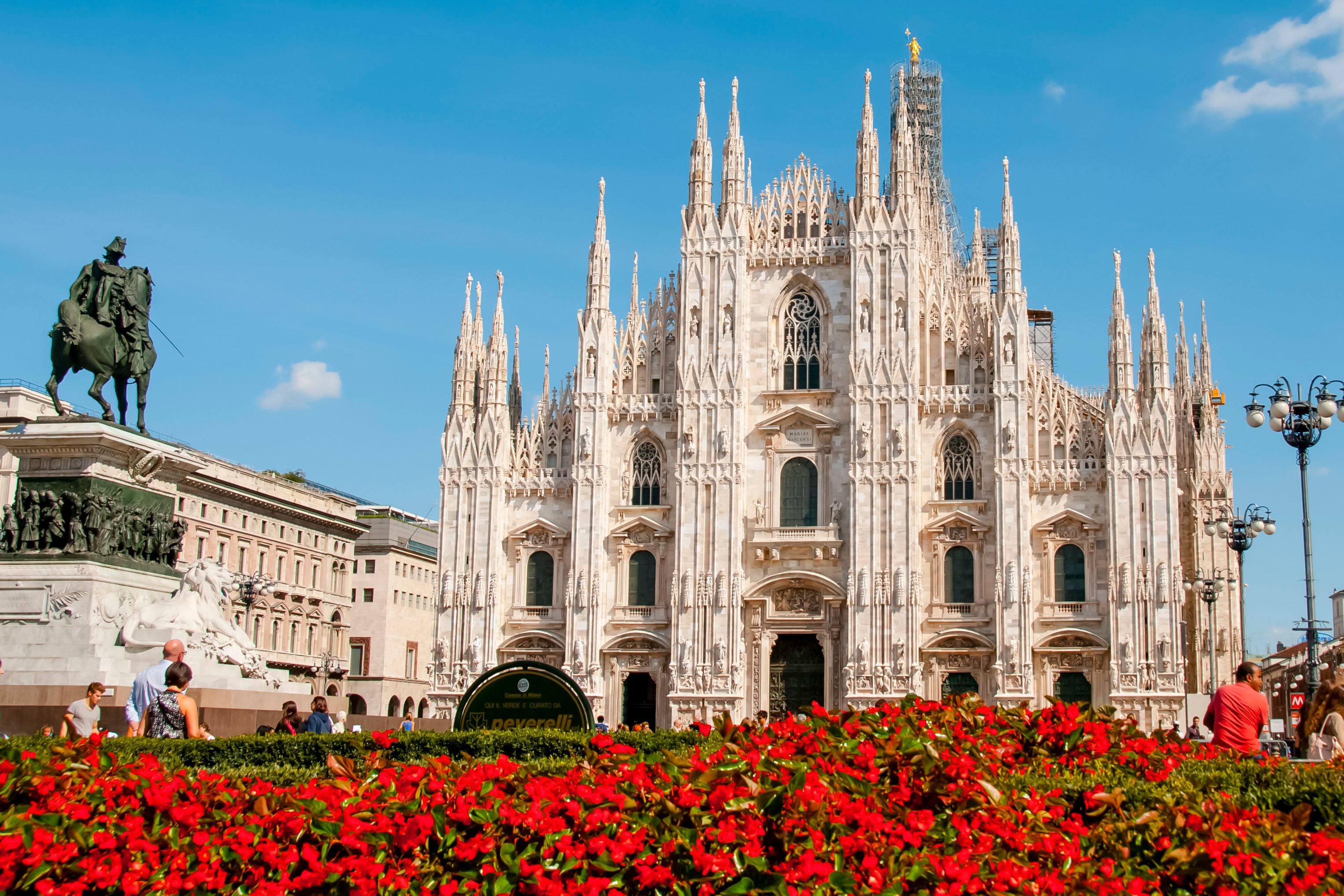
They complement each other; most visitors who do both call the cathedral the more expansive experience while finding the mural more intimate.
|
Top pick The Last Supper |
Duomo di Milano | |
|---|---|---|
| Focus | Renaissance mural painting | Gothic cathedral architecture |
| Visitor capacity | Strictly 25–35 persons | High capacity |
| Access type | Strictly timed slot | General entry or lift |
| Duration | 15 minutes | 1–3 hours |
| Booking | Mandatory well in advance | Recommended for skip-the-line |
| Price | 15 EUR (full fare) | Varies (10–30 EUR range) |
| Best for | Art history enthusiasts | Panoramic city views |
| See tickets & prices |
Verdict: If your schedule is tight, prioritize last supper tickets milan tour arrangements first as they vanish months early, then fill your remaining time with the iconic Duomo.
Hand-picked experiences loved by thousands of travelers
3 hours 30 minutes
Free Cancellation
See Da Vinci's masterpiece with guaranteed access, plus the Duomo, La Scala, and city center by bus
1 hour
Free Cancellation
Reserved entry to view Da Vinci's Renaissance masterpiece with a licensed guide at Milan's UNESCO site
1 hour
Free Cancellation
Experience Leonardo's Renaissance masterpiece with an expert guide and priority museum entry
1 hour
Free Cancellation
Skip-the-line access to view da Vinci's masterwork with expert commentary on Renaissance art and Milan's history
1 hour
Skip the line to see da Vinci's iconic masterpiece with an expert guide at Santa Maria delle Grazie
3 hours
Free Cancellation
Three-hour guided exploration of Milan's artistic treasures with priority access to iconic landmarks
3 hours
Free Cancellation
Explore Milan's iconic landmarks and bypass queues to witness Da Vinci's masterpiece on this guided walk
2 hours 30 minutes
Intimate viewing of da Vinci's masterwork followed by skip-the-line access to Italy's grandest cathedral
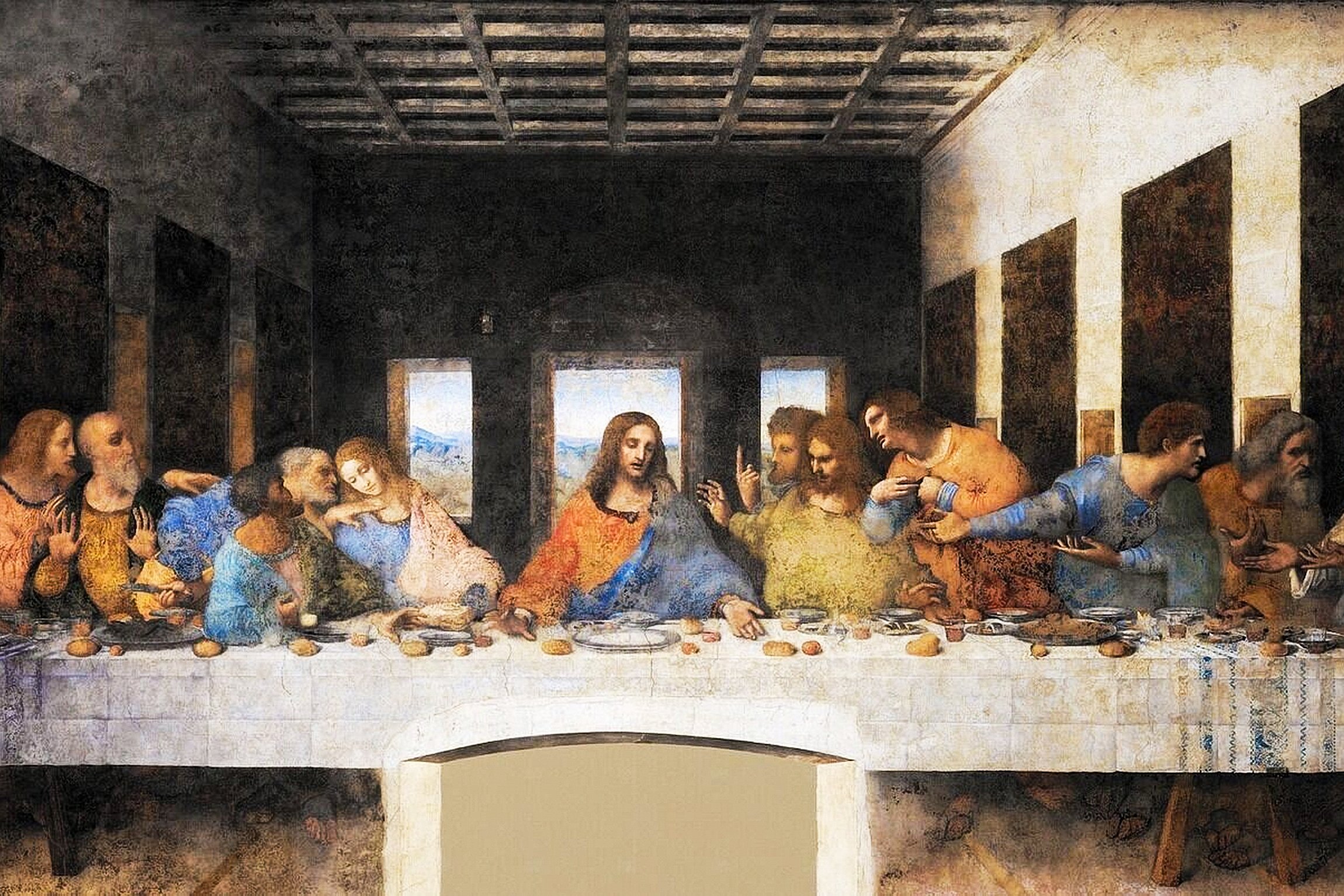
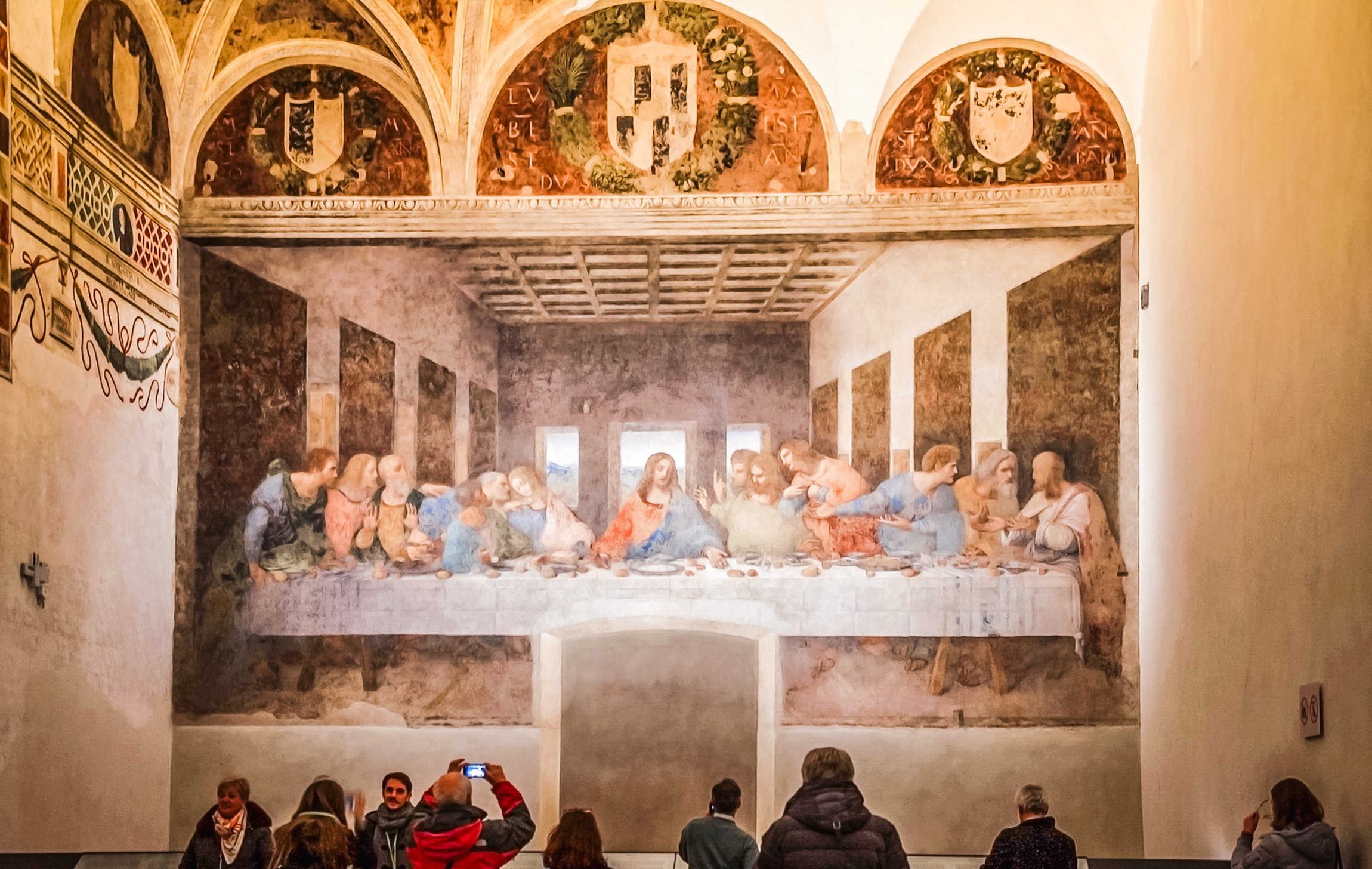
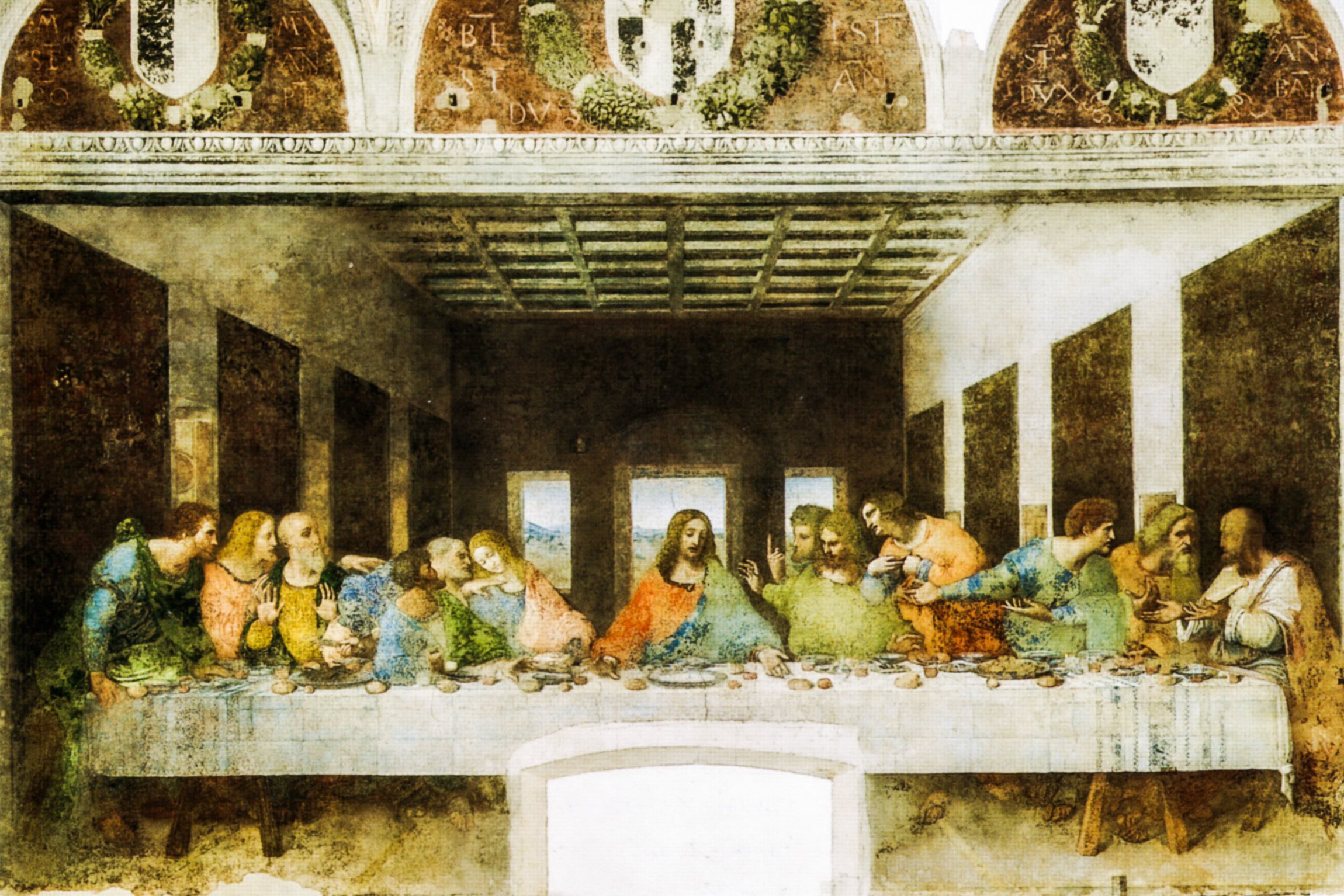
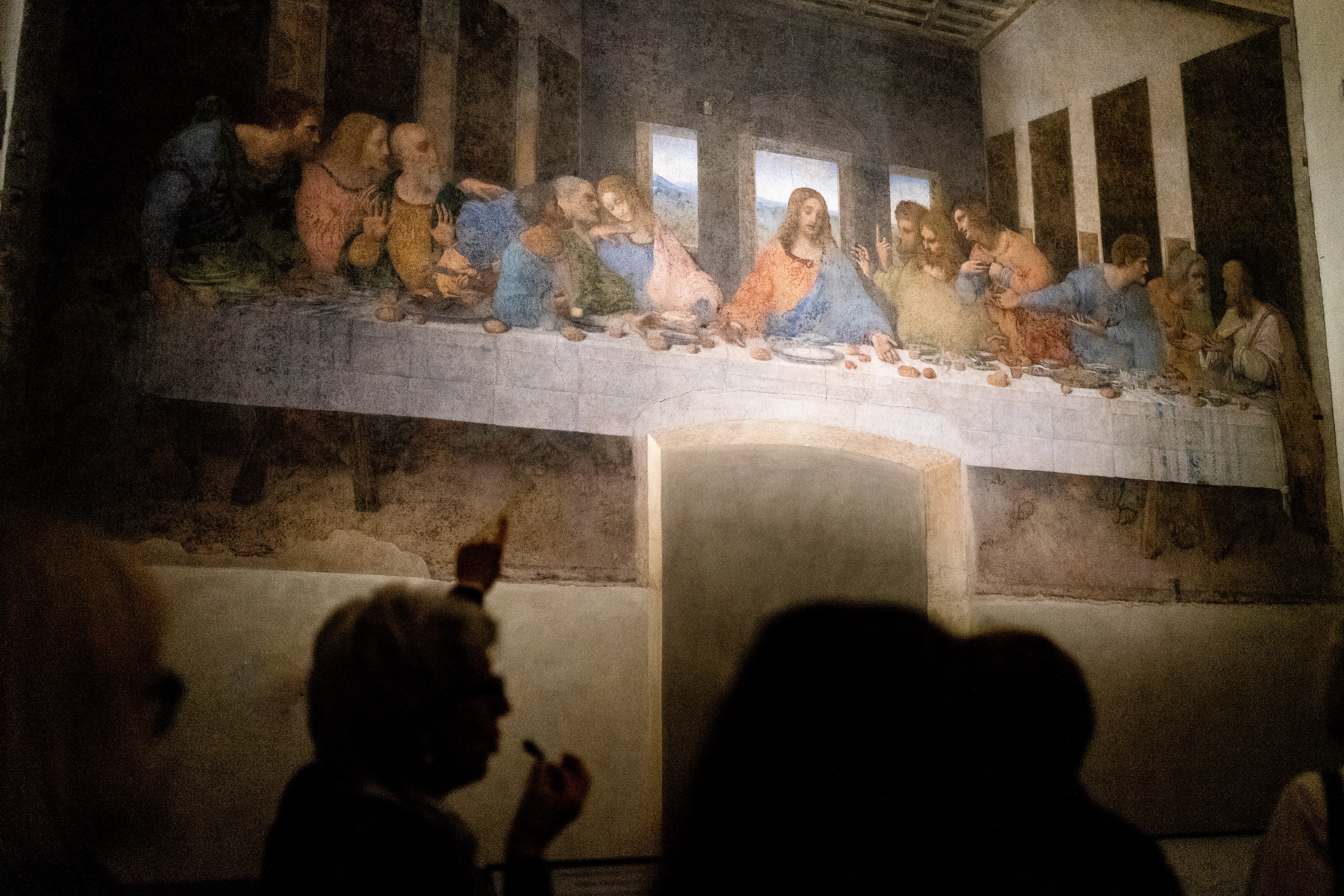
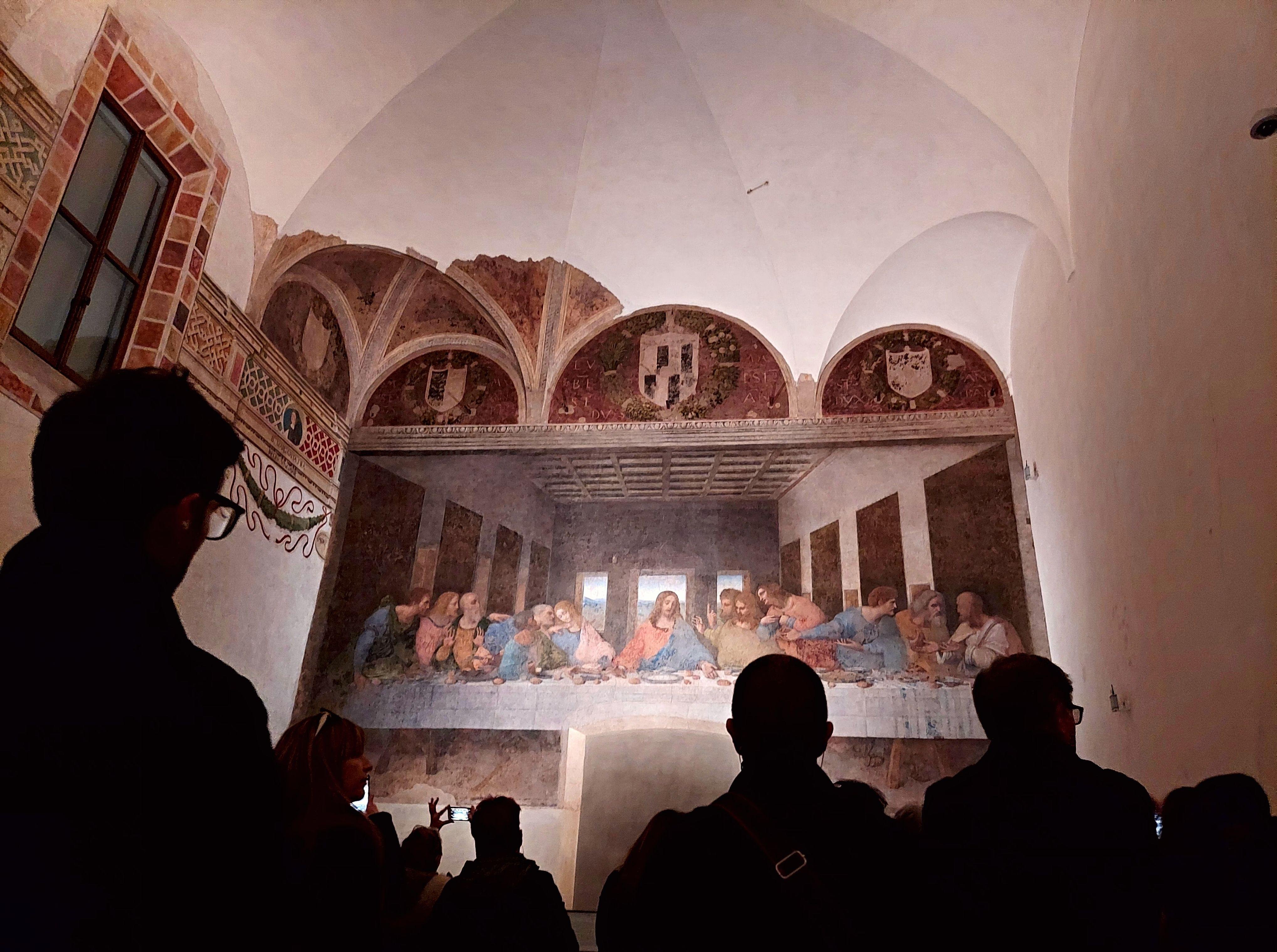
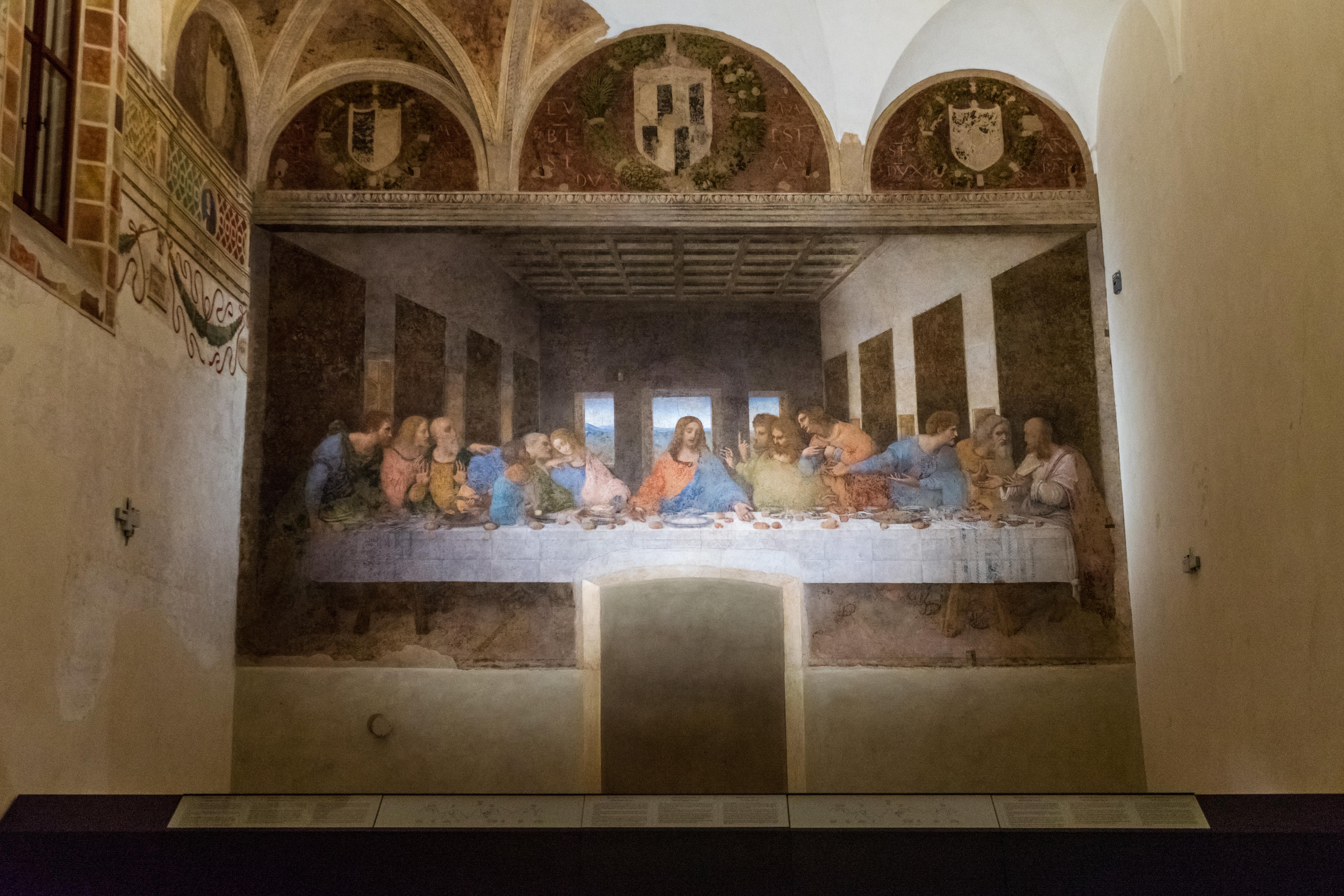
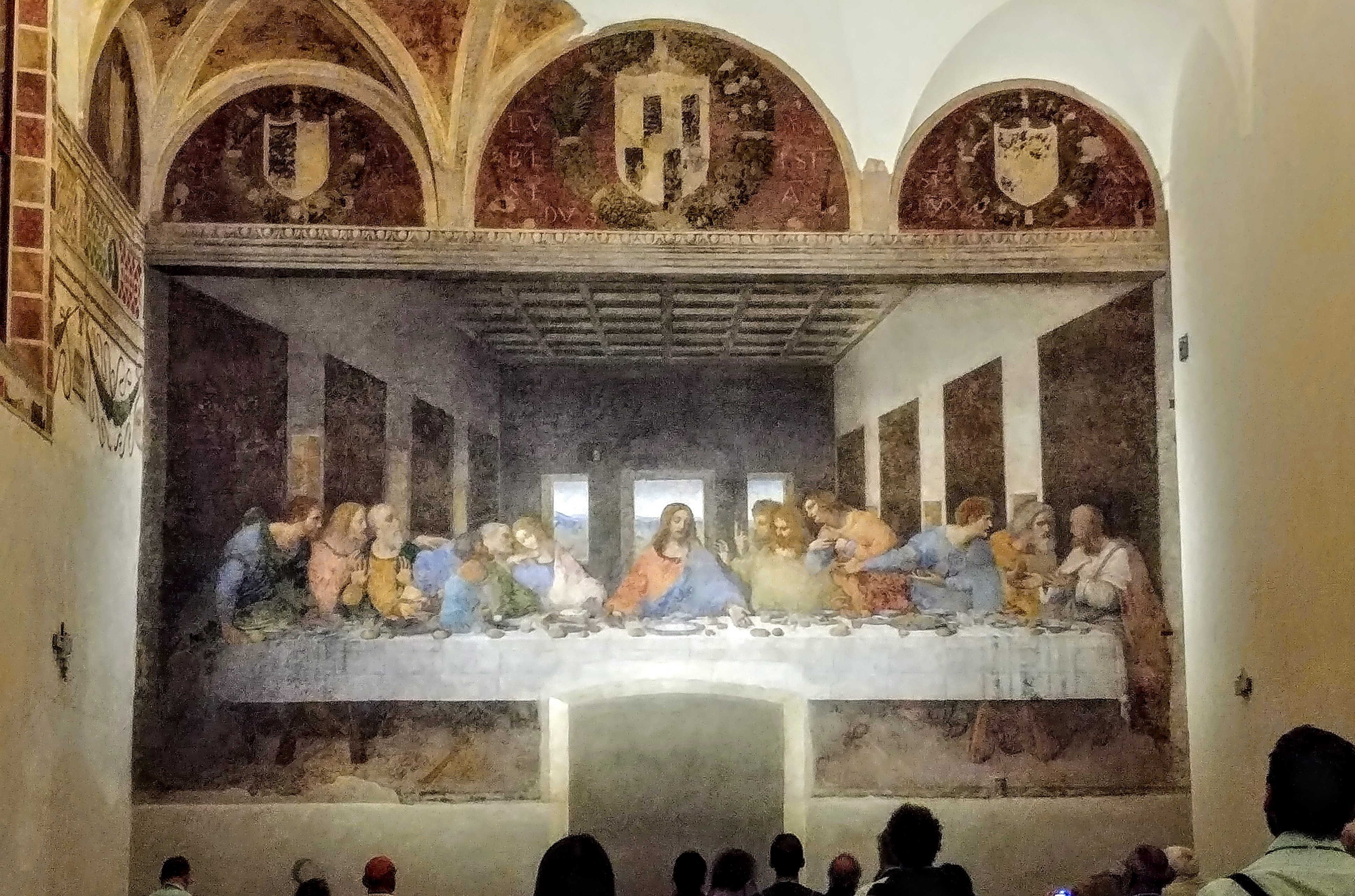
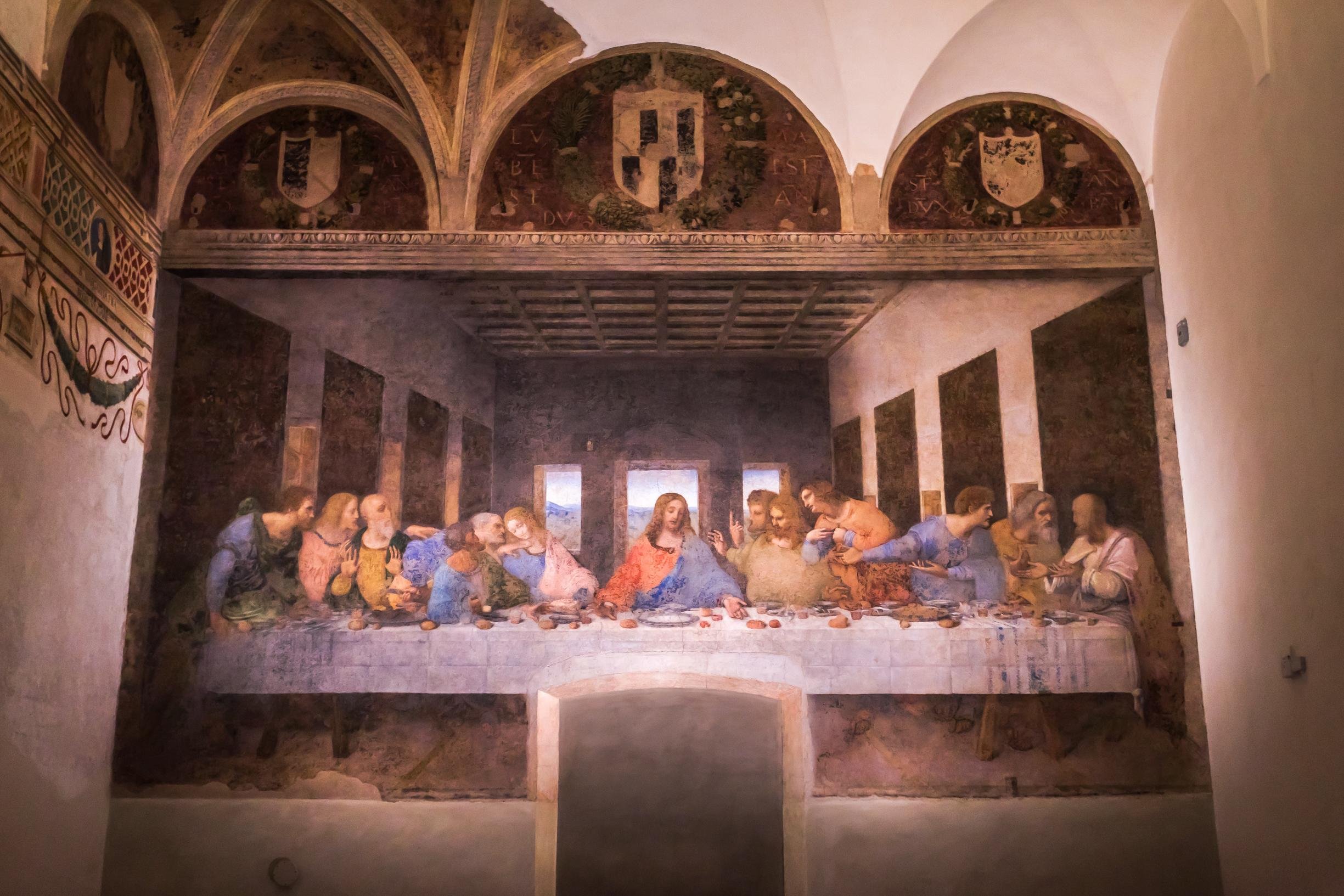
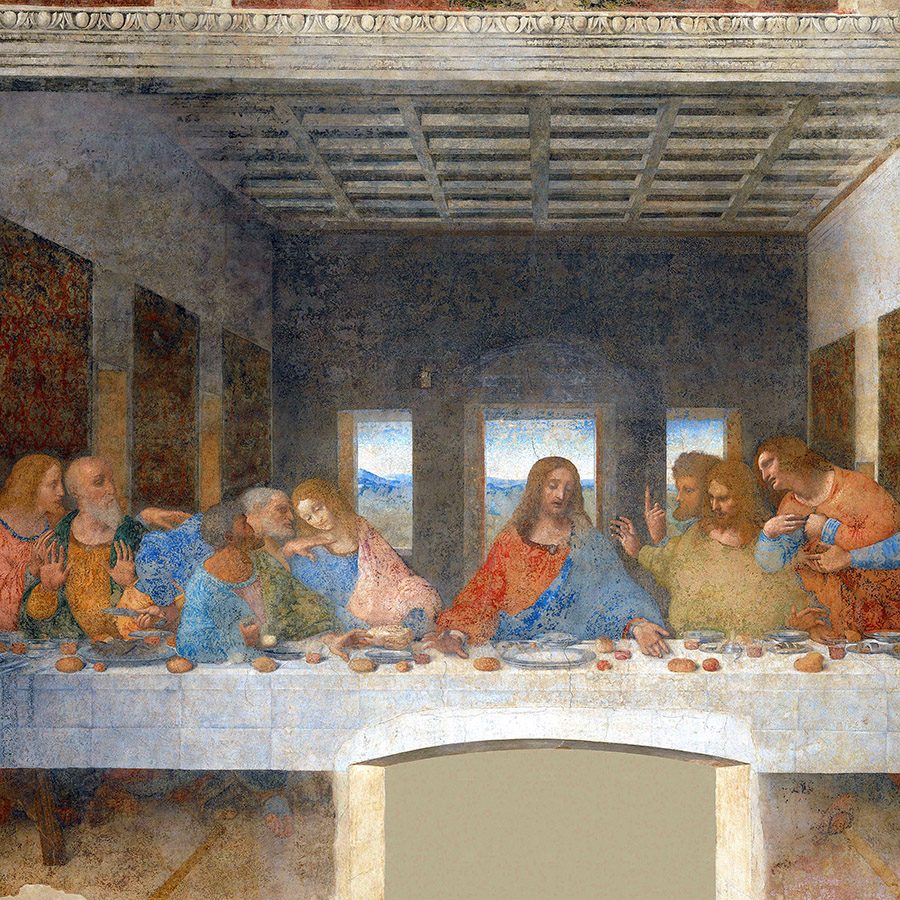
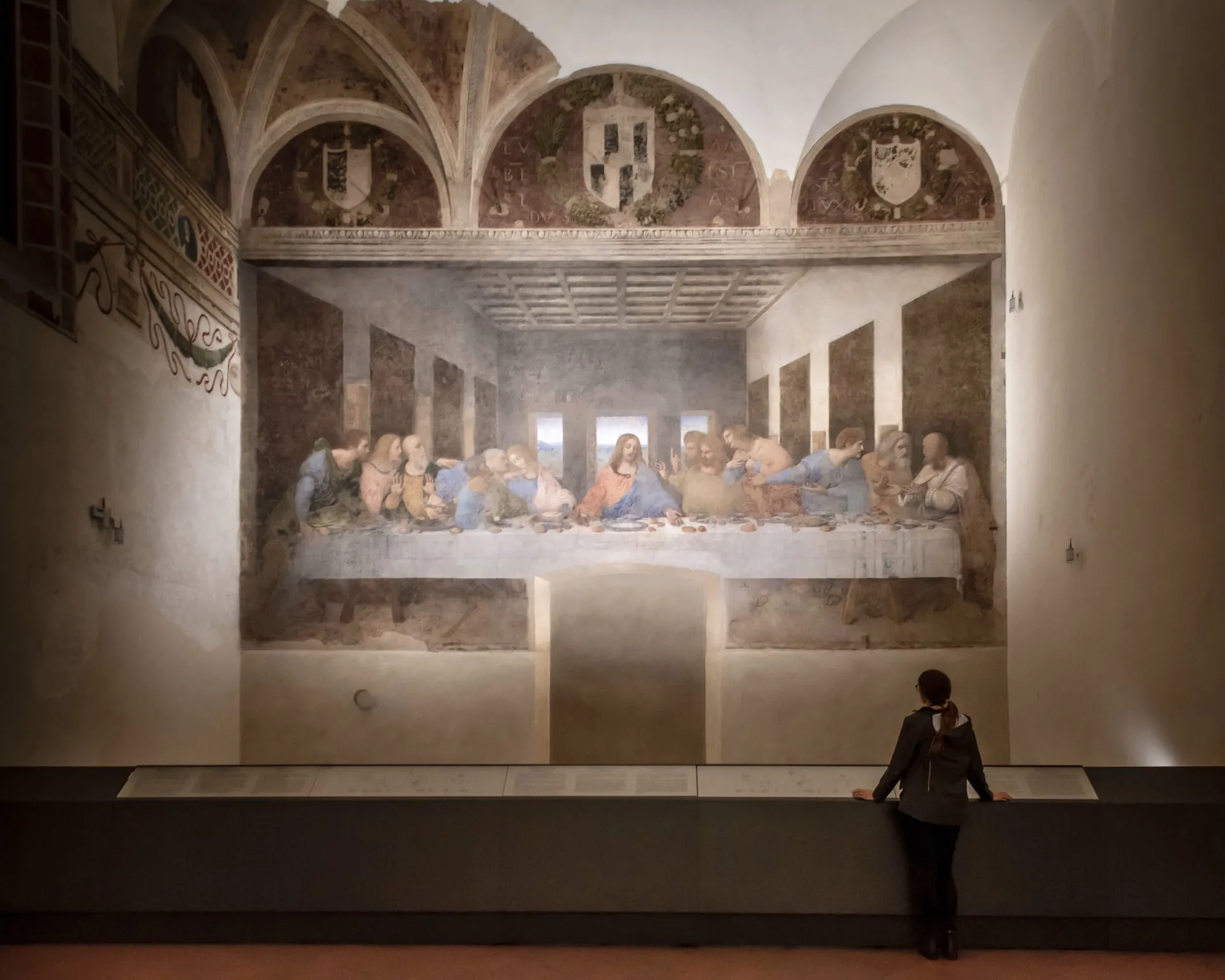
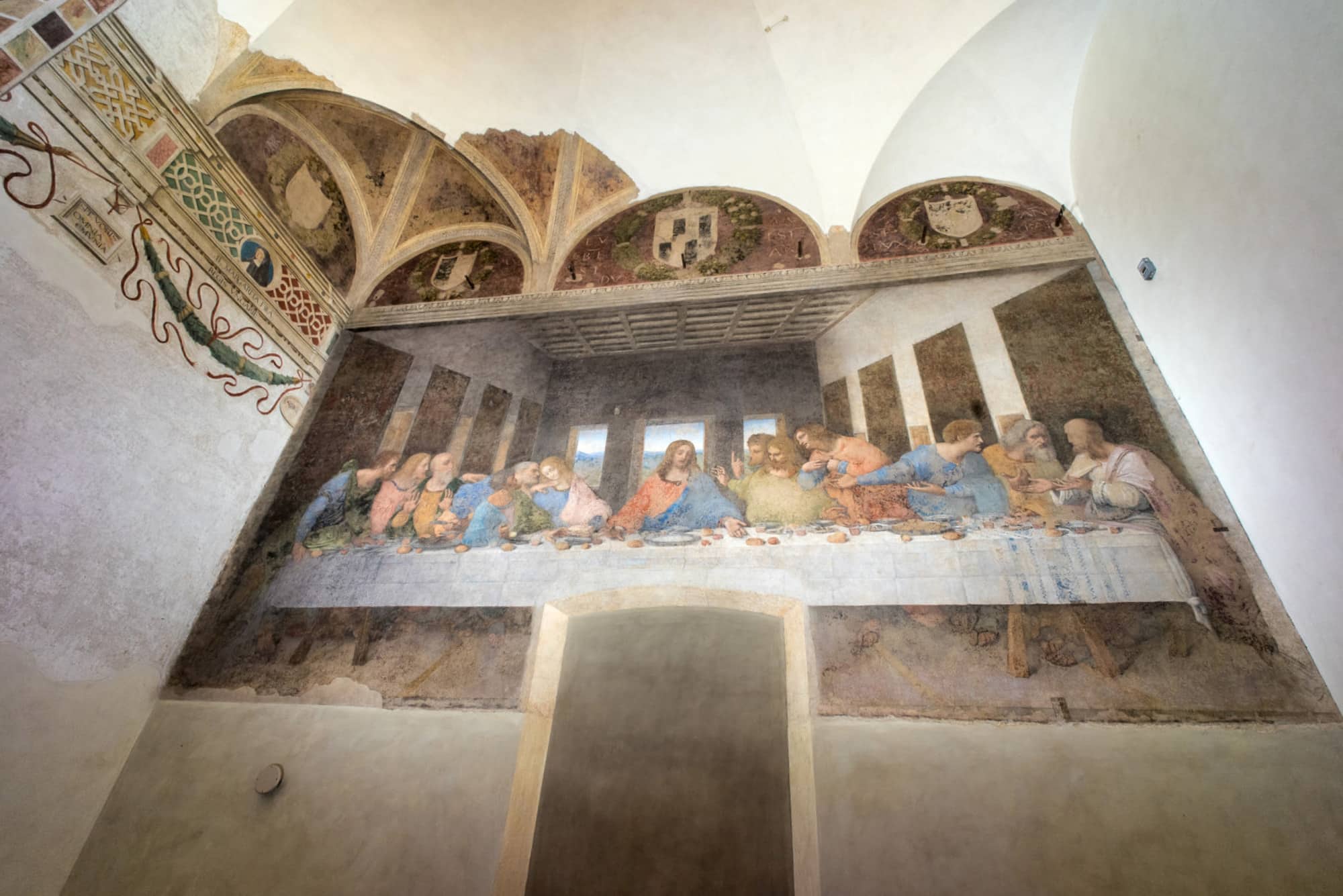
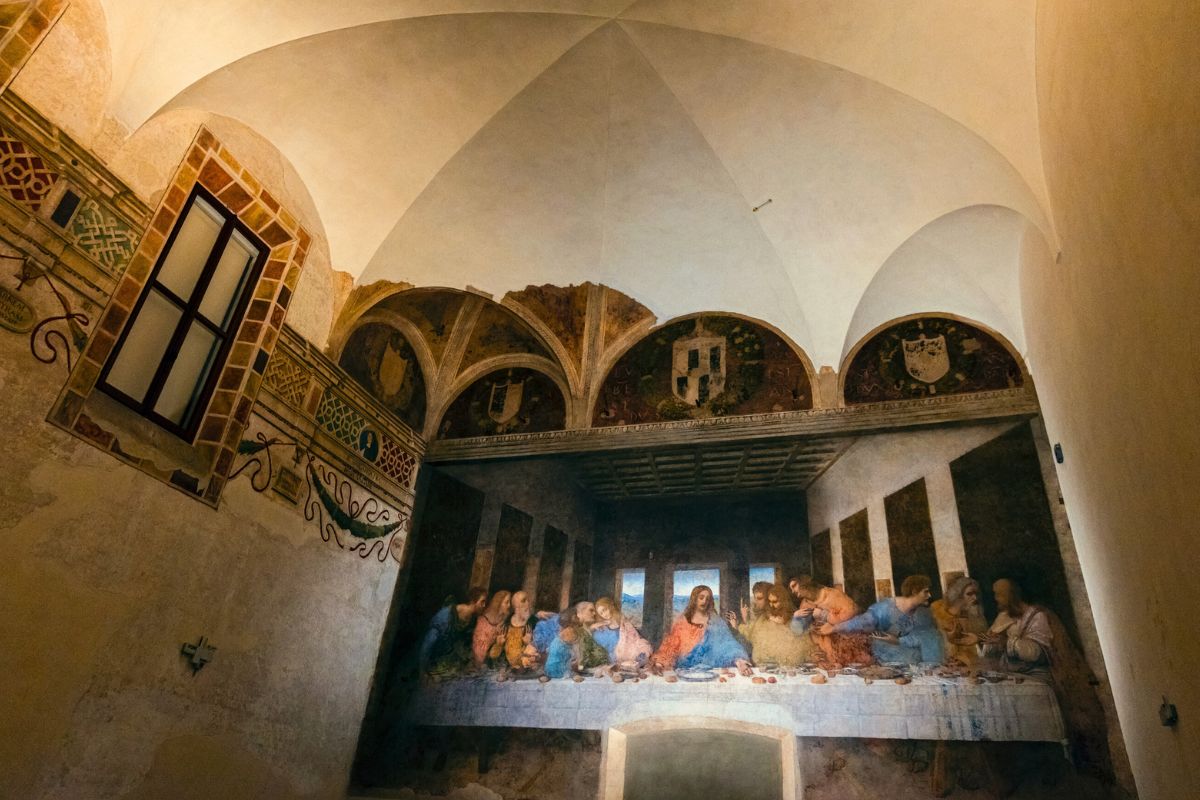
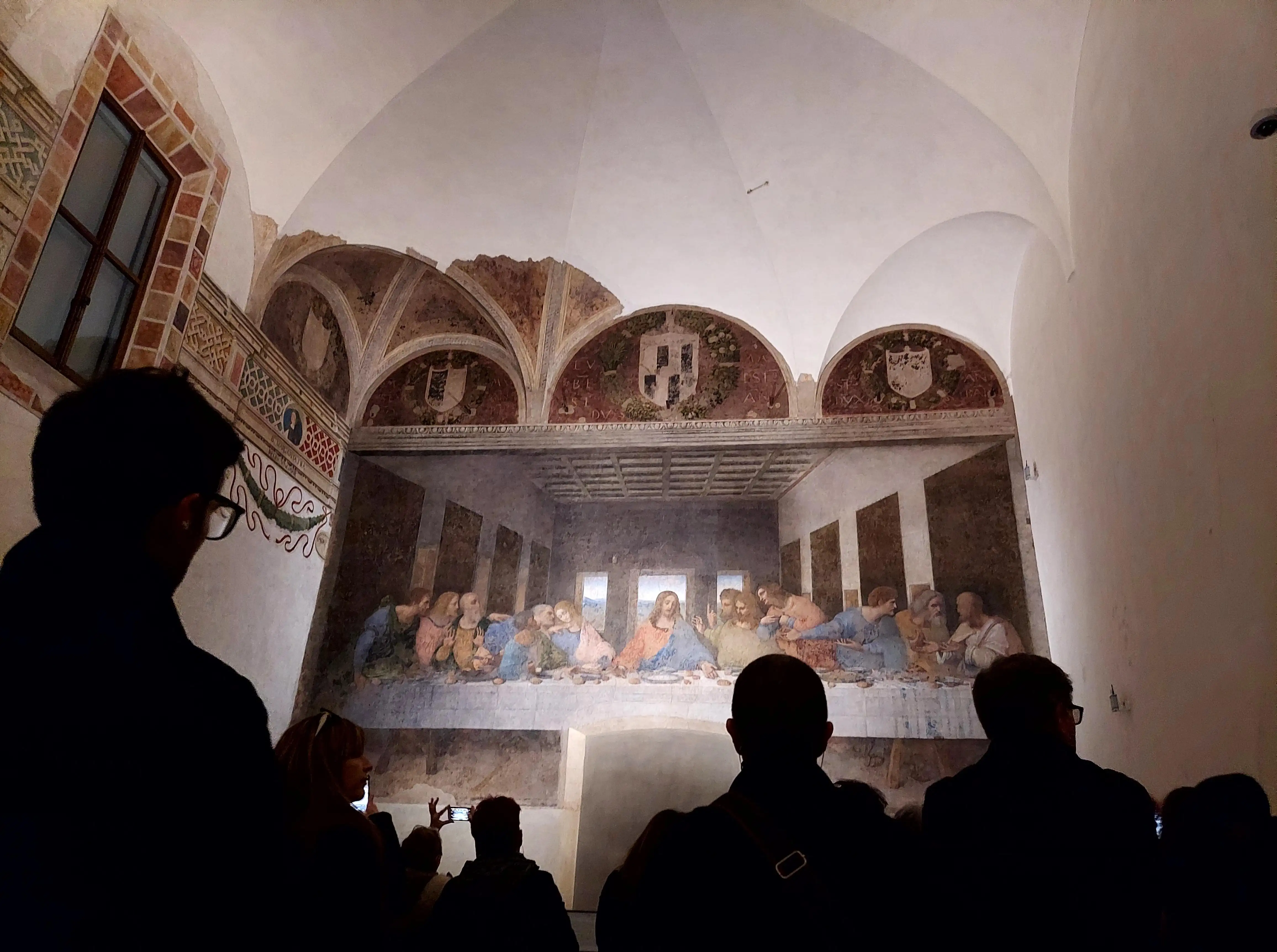
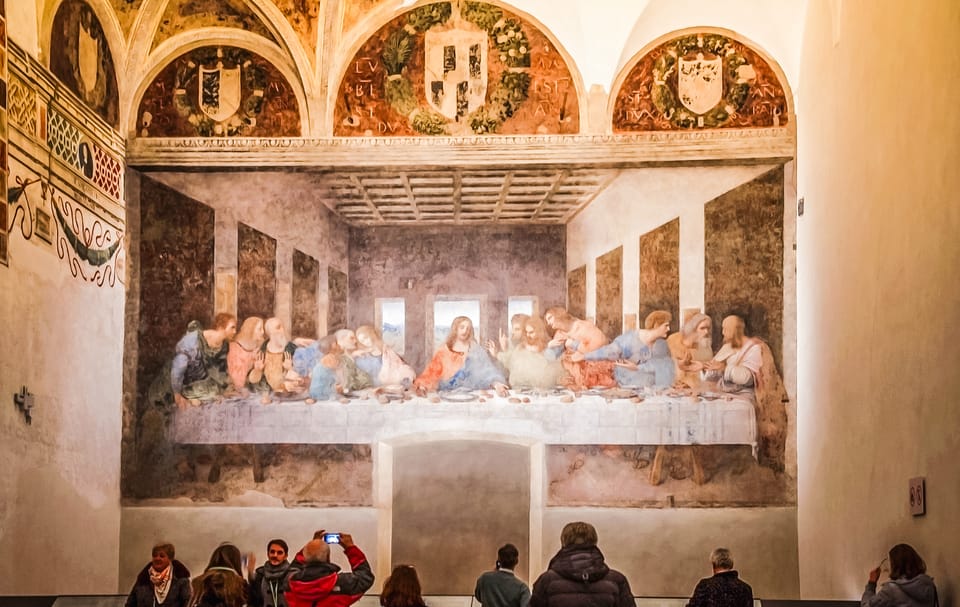
Painted on the refectory wall between 1494 and 1498, this mural captures the psychological reactions of the apostles.
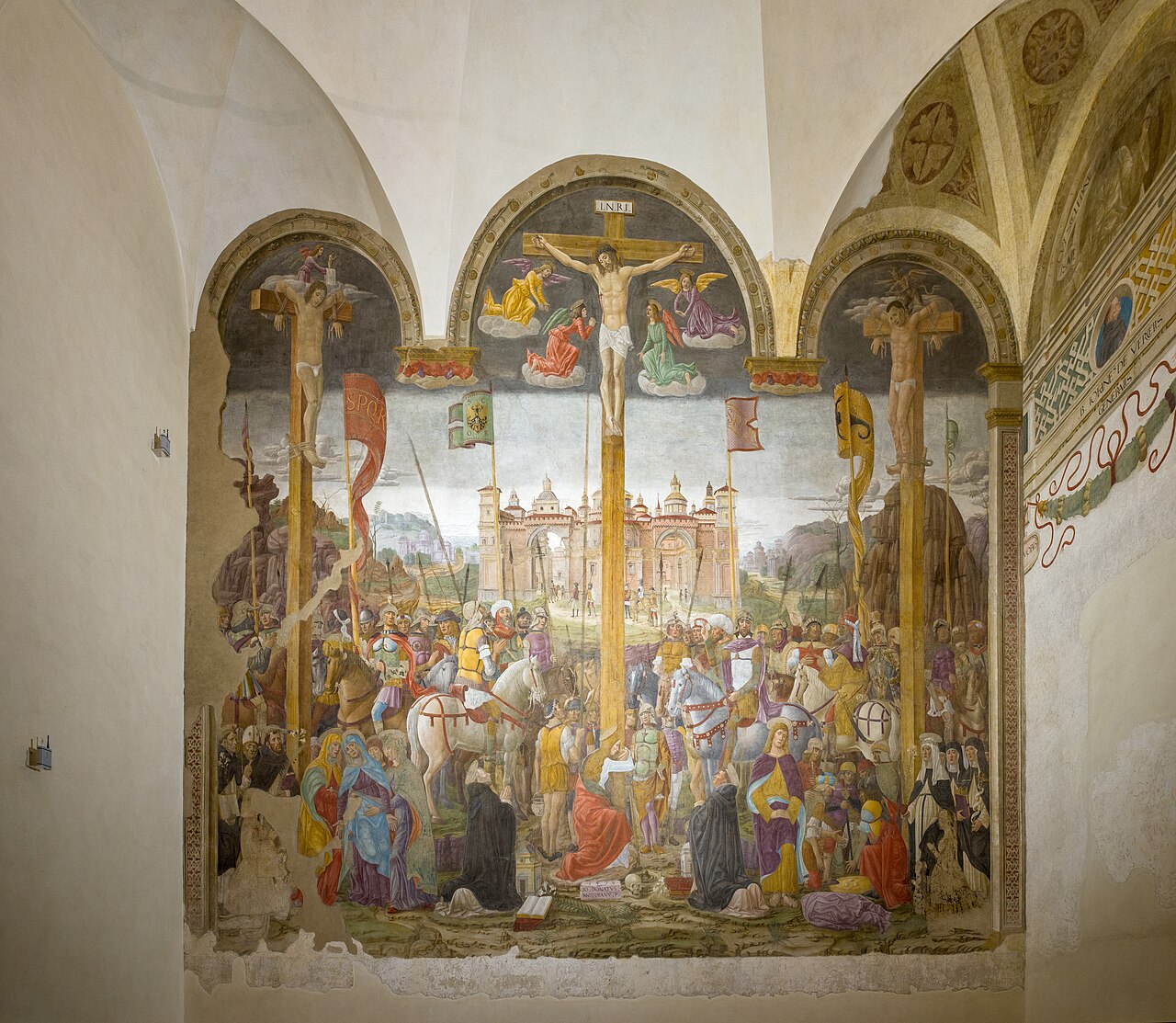
Located on the wall opposite the masterpiece, this 1495 fresco by Donato Montorfano adds historical depth to the refectory.
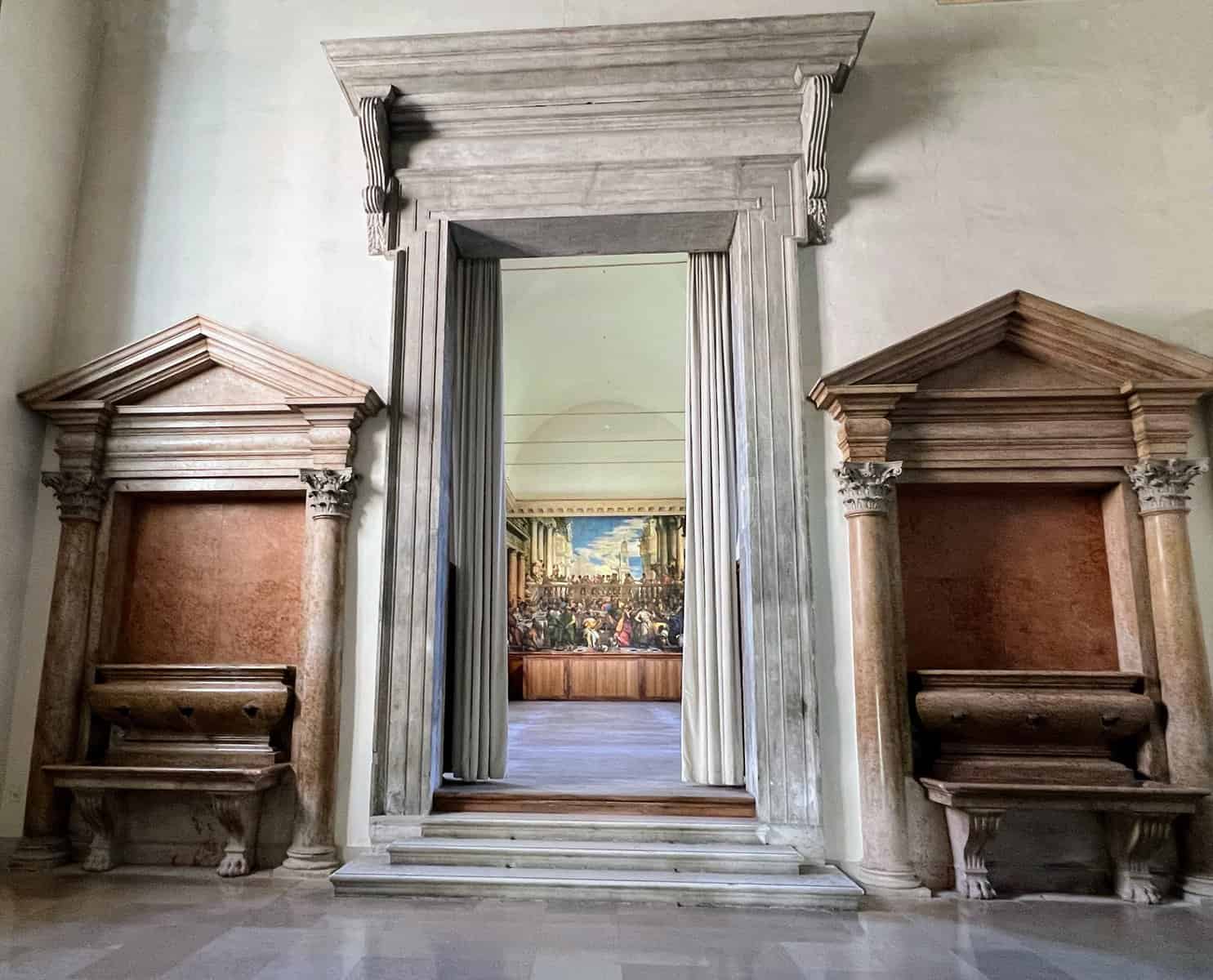
The room itself reflects the Renaissance design sensibilities of the 15th-century Dominican convent.
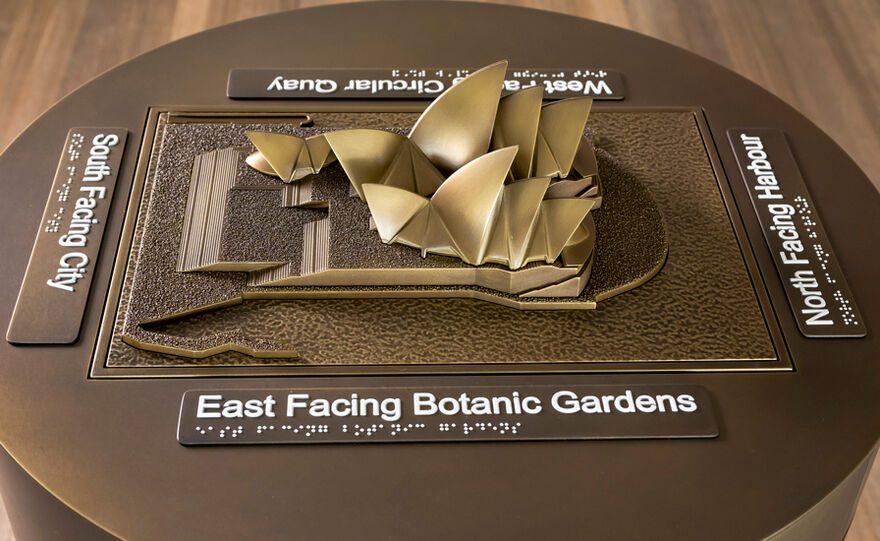
Available for visitors, this model offers an inclusive way to understand the painting's composition.
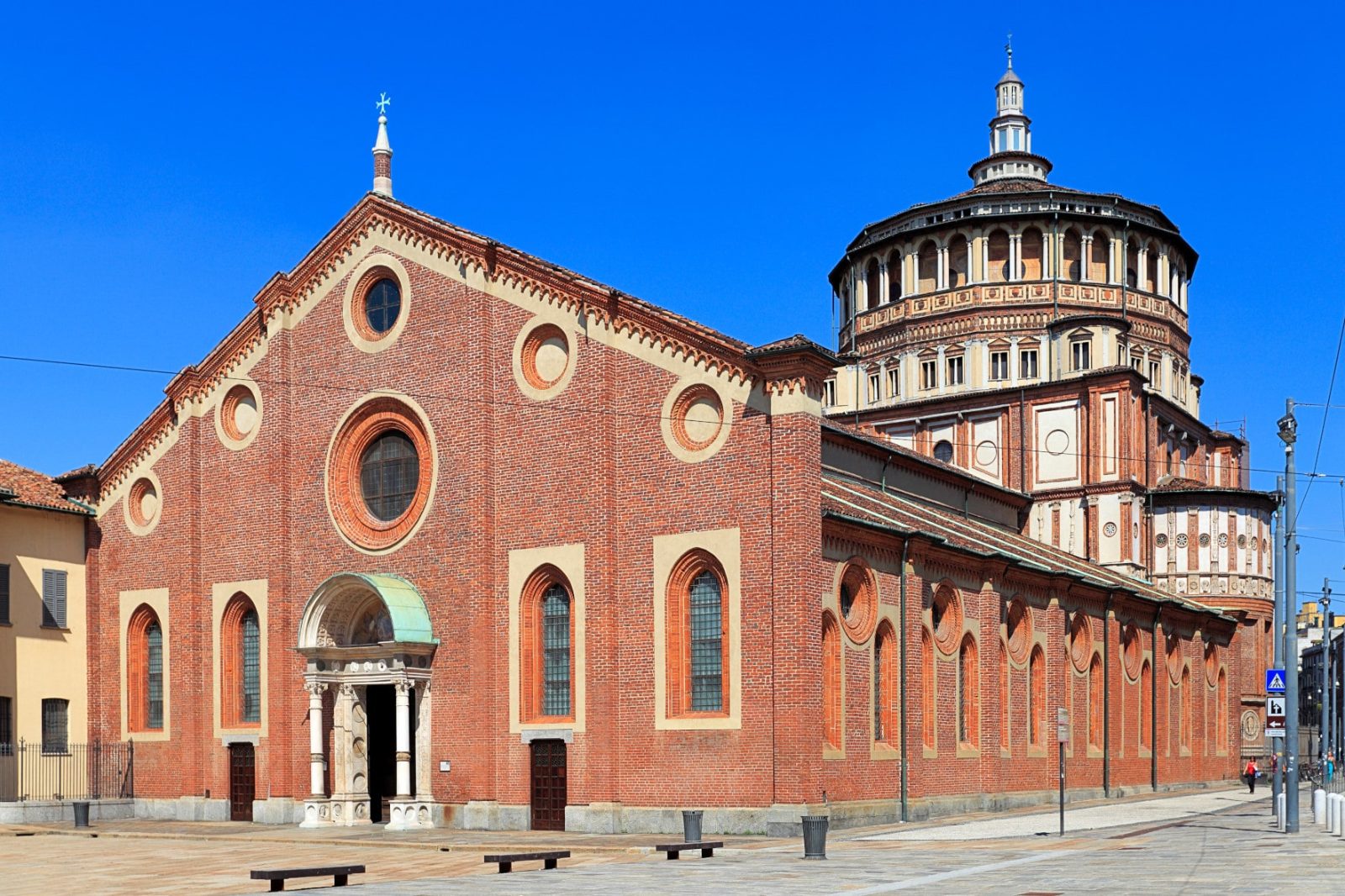
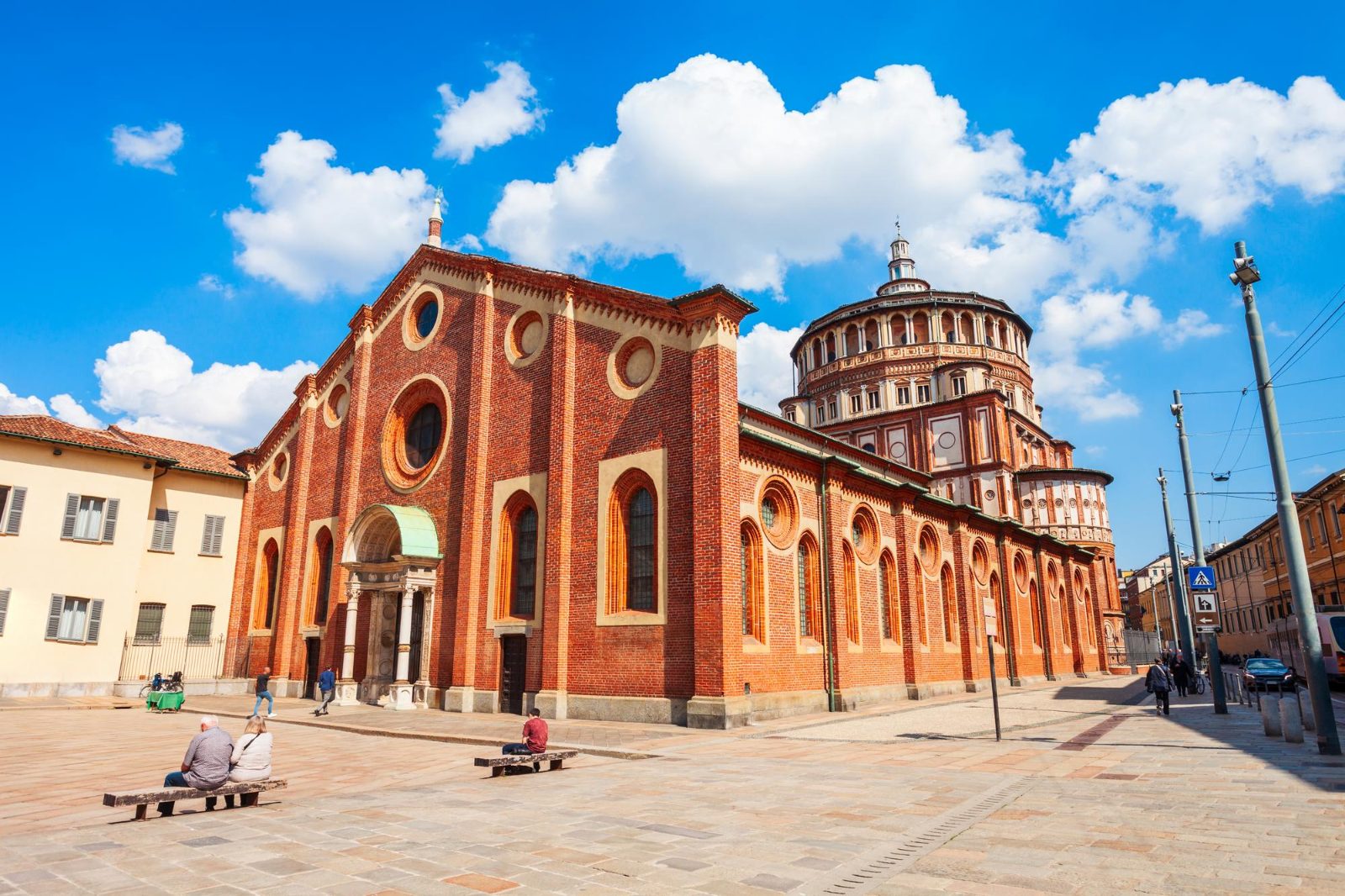
This landmark complex features architecture influenced by Donato Bramante and is a UNESCO heritage site.
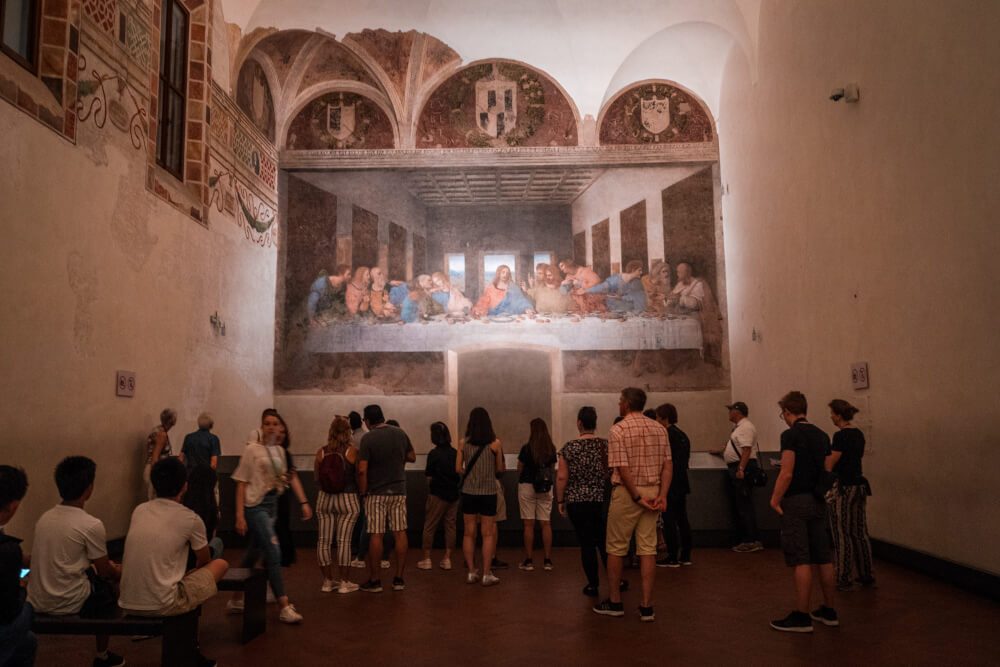
You arrive at Piazza Santa Maria delle Grazie 30 minutes before your reserved slot, as the admission protocol requires. After passing through the first entrance and presenting your mobile voucher, you enter a series of three climate airlocks designed to stabilise temperature and humidity before the viewing chamber.
Each door closes behind you before the next opens. The transitions take two minutes; the air tastes flat and still.
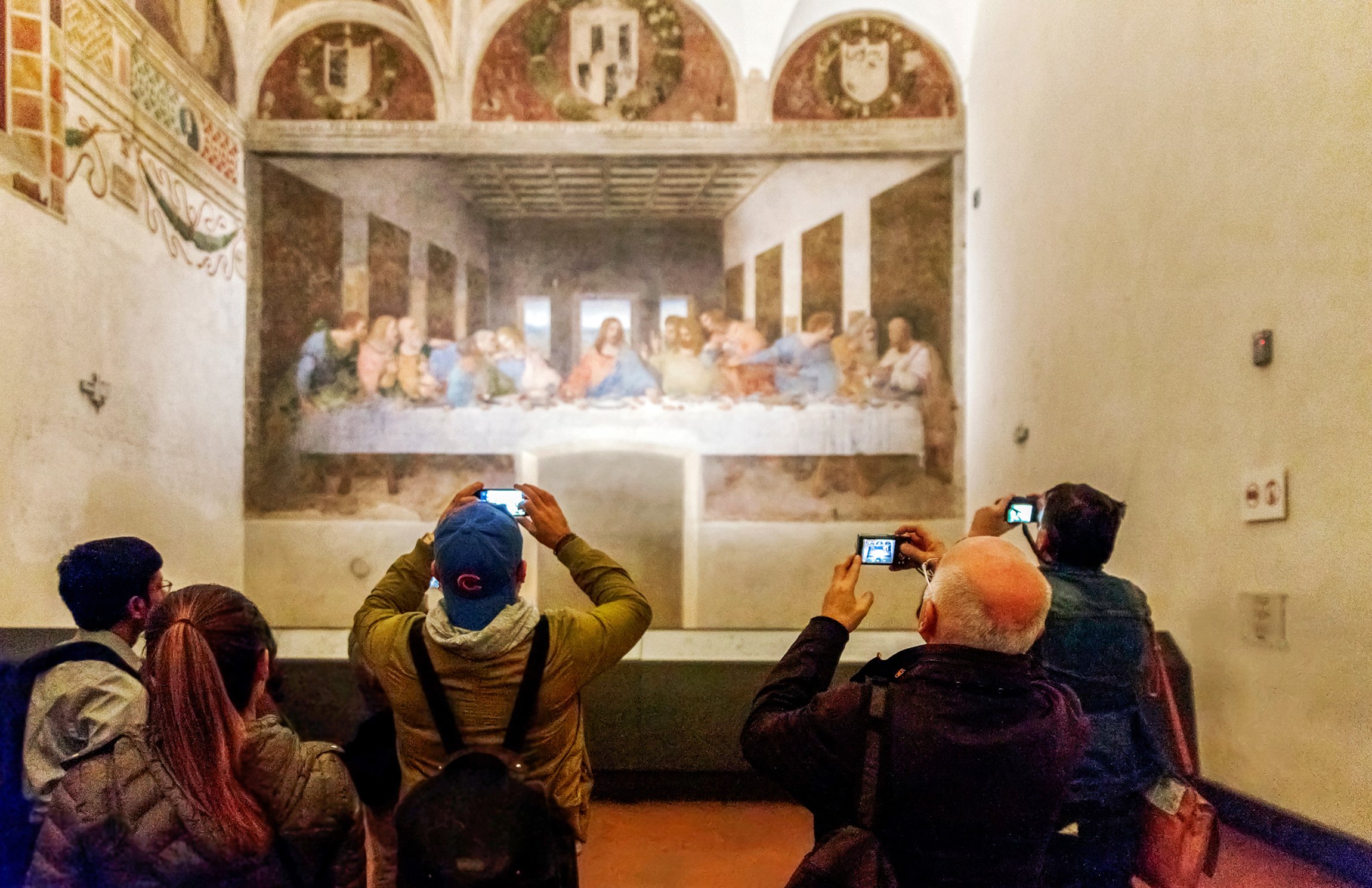
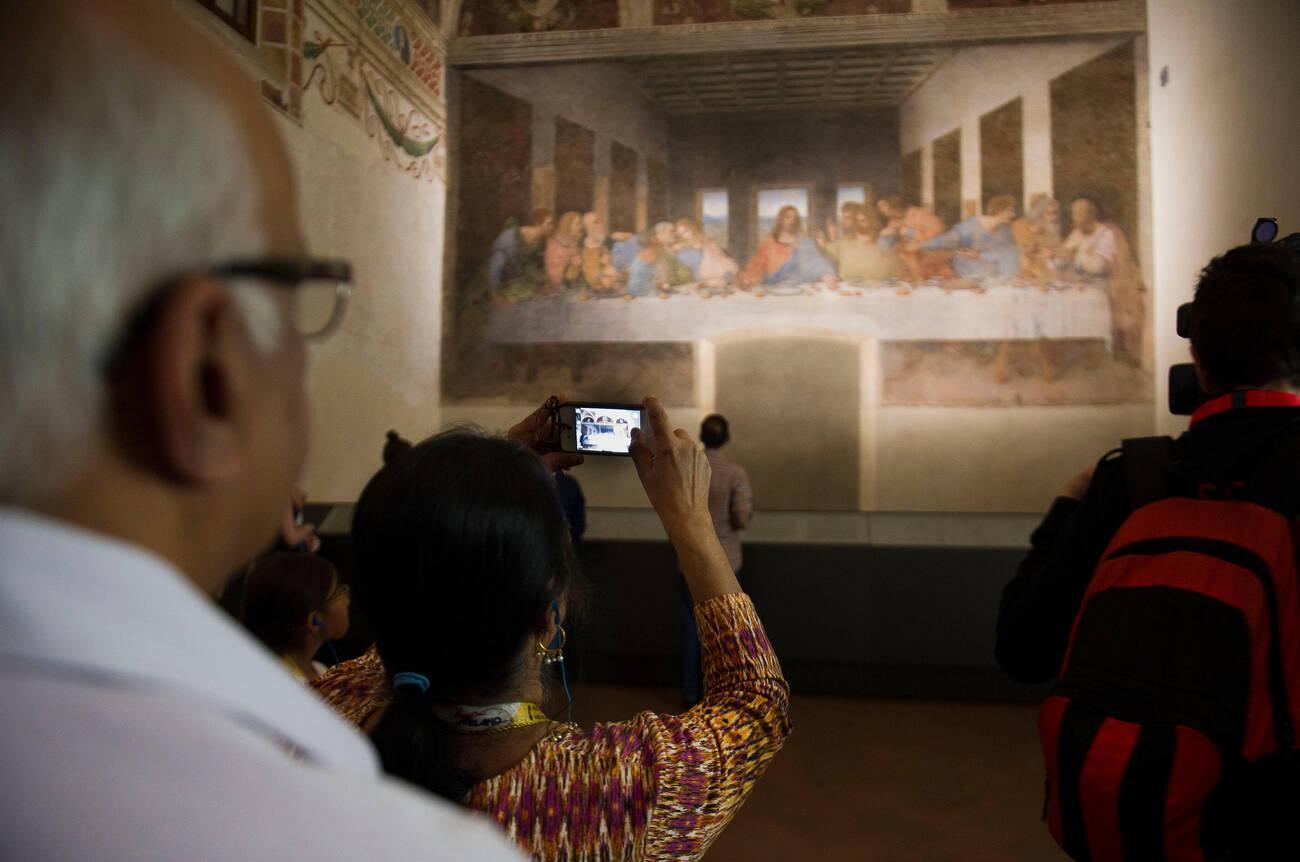
Inside the refectory, you stand fifteen metres from the mural. Your guide directs attention to the perspective vanishing point and the sequence of gestures radiating outward from Christ — Peter's hand gripping a knife, Thomas raising a finger, Judas recoiling with the moneybag. You have 15 minutes in the chamber. The fresco occupies the entire north wall, its blues and ochres muted under controlled LED lighting set to 150 lux. You notice the doorway cut through Christ's lower robe in 1652, now infilled but still visible as a scar in the composition. A digital clock above the exit counts down the remaining time. When it reaches zero, a chime sounds and you file back through the airlocks into the cloister.
All the details about your upcoming adventure in one place
Leonardo da Vinci never intended his Cenacolo to survive five centuries. He applied tempera and oil to dry plaster in 1495, rejecting the buon fresco technique that would have locked pigment into wet lime, because he wanted the freedom to revise each apostle's expression over months of deliberation.
The result was a composition of unprecedented psychological depth and a surface that began flaking within two decades of completion. By 1652, the Dominican friars of Santa Maria delle Grazie had cut a doorway through the lower centre of the mural, removing Christ's feet. By 1943, Allied bombs had destroyed the refectory's roof; the Last Supper survived behind a sandbag shelter, exposed to rain and dust for two years.
Today, last supper tickets milan tour options reflect the mural's fragility. Italy's Ministry of Culture limits entry to 25 visitors per 15-minute slot, maintaining humidity below 55 per cent and carbon dioxide under 800 parts per million inside the climate-controlled chamber. A 21-year restoration completed in 1999 removed centuries of overpainting, glue, and wax, revealing Leonardo's original azurite blues and lead-tin yellows where they remained. What visitors see now is approximately 20 per cent autograph paint, 40 per cent historical retouching from the 16th through 19th centuries, and 40 per cent modern conservation infill rendered in watercolour over a neutral base layer. The restraint of that intervention earned UNESCO World Heritage designation in 1980, a decade before the restoration finished.
The Cenacolo occupies the north wall of a hall built between 1463 and 1482 by Guiniforte Solari, extended under Ludovico Sforza to accommodate the mural Leonardo began in 1495. The composition spans 460 by 880 centimetres and deploys single-point perspective with a vanishing point fixed on Christ's right temple, aligning the painted architecture with the refectory's actual proportions so that the apostles appear to inhabit an extension of the hall. Leonardo compressed the narrative instant to the seconds after Christ announces his betrayal; each of the twelve reacts with a distinct gesture that 16th-century viewers would have read as a visual taxonomy of human temperament. Copies made before the mural deteriorated record details now lost: a glass bowl held by Judas, the grain of the wooden table, the folds in a blue mantle. Last supper tickets milan tour experiences today typically include time in the adjacent cloister, where Bramante's 1492 tribune and apse for Santa Maria delle Grazie demonstrate the same Renaissance perspective principles Leonardo applied in paint.

Leonardo applied tempera to dry plaster in 1495, rejecting buon fresco because he wanted the freedom to revise each apostle's expression over months.
As this attraction is located within a religious complex, visitors must dress appropriately. Shoulders and knees must be covered, and hats should be removed before entry.
Bulky bags, backpacks, and large items are strictly prohibited inside the refectory. Free lockers are provided at the ticket office, but capacity is limited and restricted to a 60-minute duration.
Photography and video recording are strictly prohibited inside the refectory. Staff may require the deletion of unauthorized images.
Families are welcome, but all visitors, including infants, must have a reserved ticket. Large strollers are not permitted inside the refectory.
The site is wheelchair accessible. A wheelchair is available for loan at the museum, and tactile models and specialized guides are provided for visitors with visual or intellectual impairments.
Consumption of food and beverages is strictly forbidden throughout the museum premises.
Opening hours
08:15–19:00
Address
Piazza Santa Maria delle Grazie, 2, 20123 Milano, Italy
Accessibility
Step-free access available for mobility-impaired visitors
Arrival
Arrival 30 minutes before slot is mandatory
Storage
Free lockers available at the ticket office
Navigation
Located in the refectory of Santa Maria delle Grazie
Metro · 5–10 min walk · Standard metro fare
Take Line 1 (Red) to Conciliazione or Cadorna, or Line 2 (Green) to Cadorna.
Tram · Direct access · Standard tram fare
Line 16 stops at Santa Maria delle Grazie.
All tickets are final and non-refundable. The entrance fee of 15 EUR includes the required reservation fee.
Recommended time
1.5 hours
Visitors are limited to a strict 15-minute viewing period inside the refectory to preserve Leonardo da Vinci’s masterpiece. Securing last supper tickets milan tour packages requires planning, as the mandatory check-in adds a buffer to your experience. While you should account for time spent in the courtyard of Santa Maria delle Grazie, the primary Leonardo mural visit remains brief, allowing visitors to combine their Cenacolo Vinciano walk with other Milan landmarks. Those holding these last supper tickets milan tour tickets should focus on early or late slots to navigate the site comfortably.
Crowd levels through the day
Weather · crowds · average price — dots go green to amber to red as each metric rises.
Mild temperatures and lower crowds in April and May make this an ideal time for visiting Milan landmarks.
Cooler, pleasant weather in September and October provides a comfortable environment for walking through the city.
Low season in November and January often features better slot availability for those looking for last supper tickets milan tour tours.
Expect higher temperatures and increased demand; booking well in advance is essential during these peak months.
Tickets sell out months in advance; book immediately upon confirming your travel dates.
Mid-week slots often have better availability than weekends.
The official site updates availability frequently; check often if your preferred date is sold out.
Consider a city pass if you plan to visit multiple cultural sights in Milan.
Arriving exactly 30 minutes early is essential to avoid forfeiting your entry.
Piazza Santa Maria delle Grazie, 2
Located 10 meters to the left of the museum entrance.
Get directionsIn 1495, Ludovico Sforza, Duke of Milan, commissioned Leonardo da Vinci to paint the refectory wall of Santa Maria delle Grazie. Leonardo abandoned fresco's wet-plaster technique in favor of tempera on dry plaster, seeking richer color and longer working time. The experimental method allowed him to revise and layer pigment, but it also doomed the mural to early decay. By 1517, Antonio de Beatis noted the painting was already deteriorating. Within decades, moisture and Leonardo's unstable binder caused flaking and loss across the surface. The refectory survived Napoleon's troops, who used it as a stable in 1796, and a 19th-century decision to cut a doorway through the lower center of the composition. On August 15, 1943, Allied bombs destroyed much of the convent complex. The refectory's roof collapsed, and the east wall was obliterated. The north wall, bearing Leonardo's work, stood exposed to rain and dust for months until emergency scaffolding and tarps were erected. Photographs from 1944 show the mural covered in sandbags, its surface intact but vulnerable. Restoration began in earnest in 1978 under Pinin Brambilla Barcilon, who spent twenty-one years removing six centuries of overpainting, glue, and grime. Her team worked one square centimeter at a time, distinguishing Leonardo's original pigment from later additions. The project concluded in 1999, revealing muted tones and spatial clarity obscured since the 16th century. Climate controls now regulate humidity and visitor numbers are capped at fifteen per session, each lasting fifteen minutes. Booking last supper tickets milan tour tours in advance is essential, as daily capacity remains fixed at fewer than three hundred visitors. The mural's fragility dictates every logistical constraint, a legacy of Leonardo's technical gamble five centuries ago.
Leonardo da Vinci paints The Last Supper using experimental tempera on dry plaster, departing from traditional fresco technique.
Antonio de Beatis records that the mural is already deteriorating, barely two decades after completion.
Napoleonic troops stable horses in the refectory, damaging the lower portion of the painting.
Allied bombing on August 15 destroys the refectory roof and east wall, leaving Leonardo's mural exposed to the elements.
Pinin Brambilla Barcilon leads a twenty-one-year restoration, removing centuries of overpainting and stabilizing the fragile surface.
UNESCO designates Santa Maria delle Grazie and The Last Supper a World Heritage Site.
Restored mural reopens with strict climate controls and visitor limits of fifteen per session.
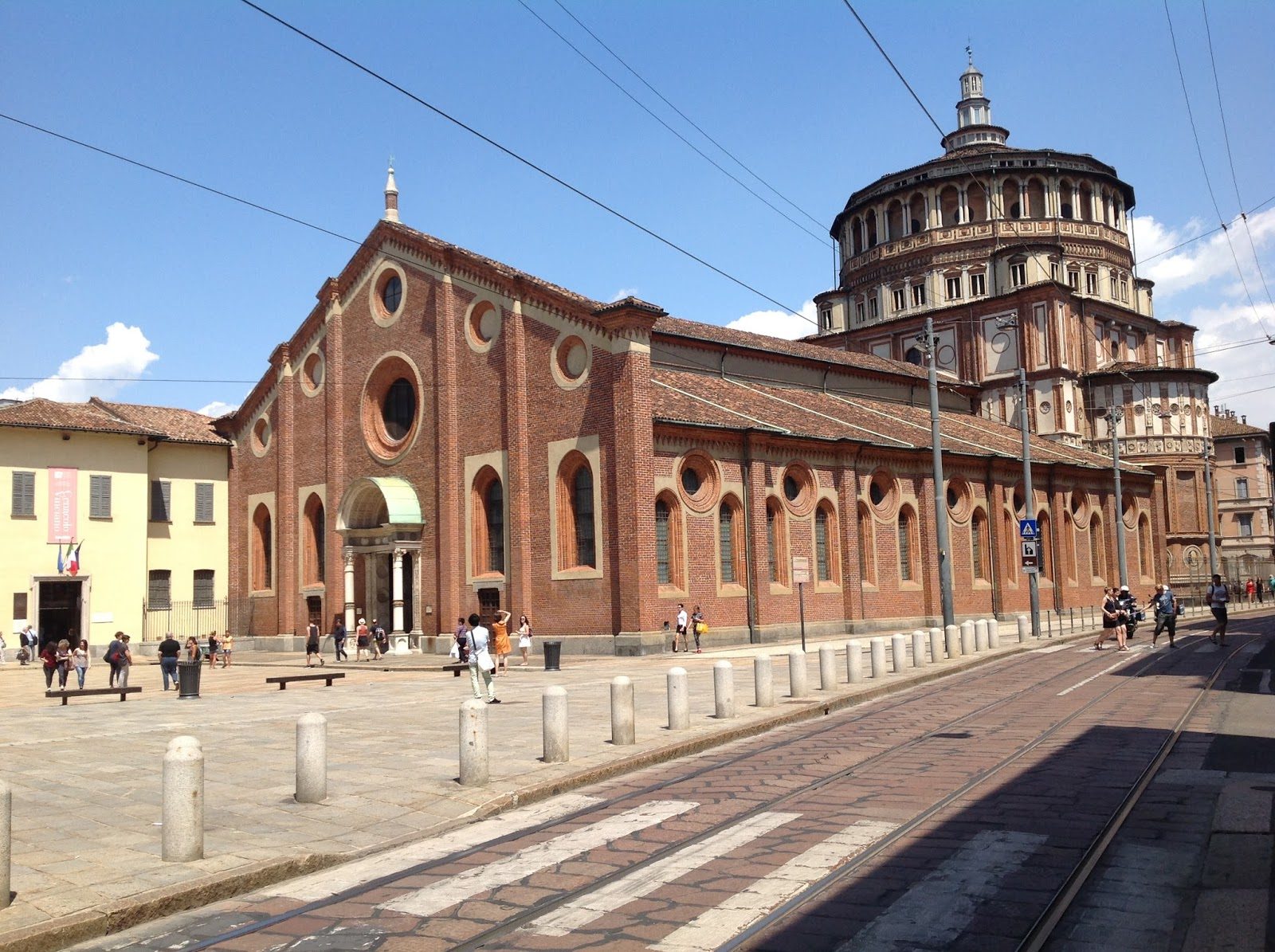
Stand in the center of the piazza to capture the full terracotta exterior of this UNESCO World Heritage site. This wide angle frames the traditional architecture against the Milan sky.
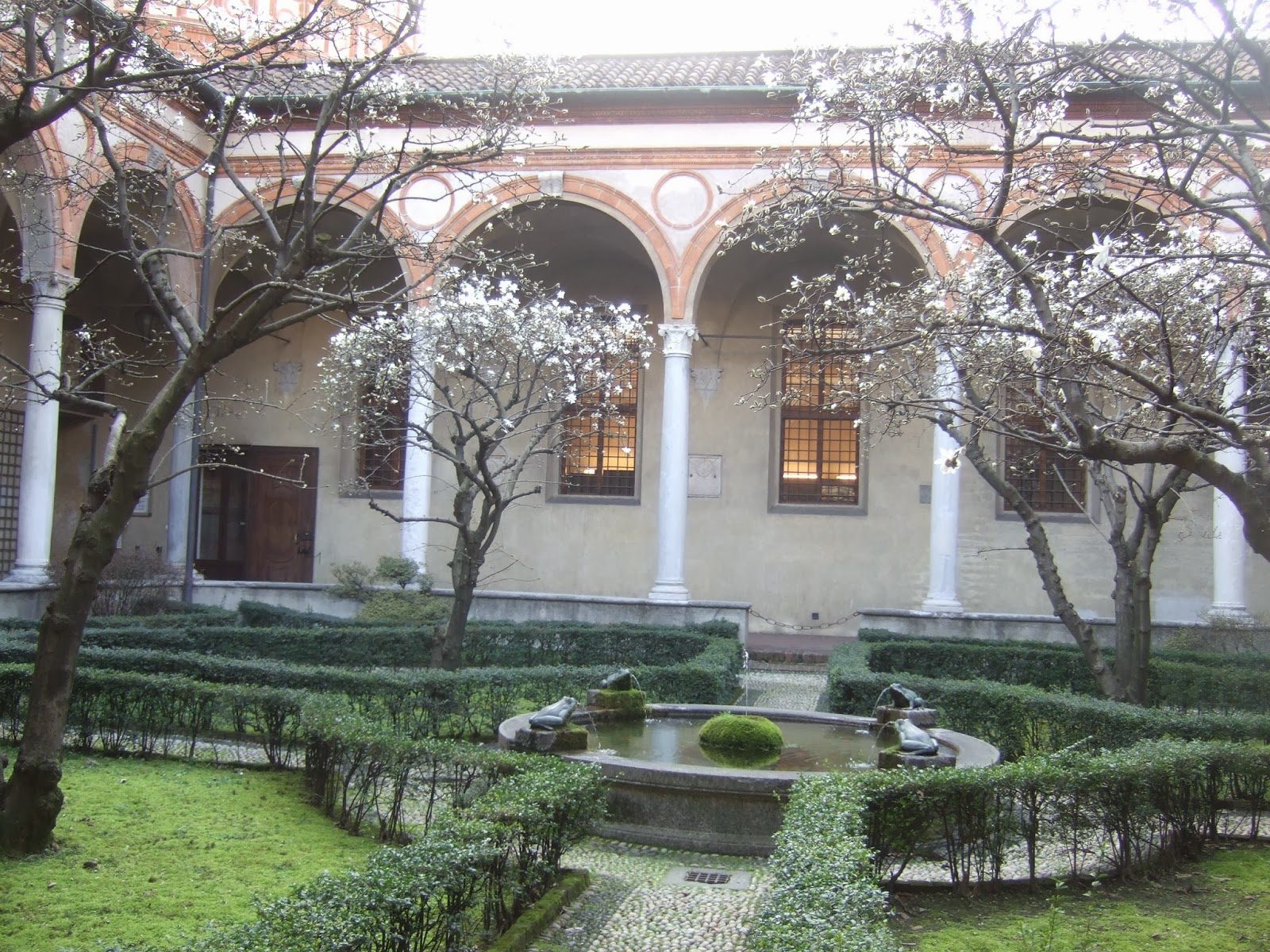
Located within the complex, this quiet courtyard provides a peaceful perspective of the architecture. Visitors can frame the rhythmic arches and central fountain.
This interior corridor allows for a shot of the historic wooden doors leading to the mural room. It serves as a standard reference point for those documenting their last supper tickets milan tour visit.
Position yourself near the southern end of the square to include the church in the background of your composition. It is the ideal spot to capture the context of the location for your skip-the-line Milan landmark tour.
Visiting the historic refectory with children requires careful planning due to the strict group-access requirements for these last supper tickets milan tour slots. While the artwork is a highlight of city landmarks, the short, silent viewing period is best suited for families prepared for a brief, focused experience.
Strollers are not permitted inside the museum, so consider using a carrier for infants or prepare for a brief walk from the transport drop-off point to the entrance.
While there is no minimum age, the 15-minute strict silence policy makes this skip-the-line attraction better for older children capable of quiet observation.
There are no baby-change tables or restrooms inside the site; please plan to use nearby local cafés before arriving for your scheduled window.
The experience is limited to a brief 15-minute viewing, making it an efficient stop if you are balancing your day with other city landmarks.
Since entry is strictly regulated, you must book these last supper tickets milan tour tickets well in advance as they often sell out weeks ahead of time.
Arrival 30 minutes before your slot is mandatory to ensure entry for your last supper tickets milan tour tour; plan your transit carefully to avoid missing your window.
Visitors securing last supper tickets milan tour often look for authentic bites within a short walk of the refectory. While the site itself lacks a cafe, the surrounding Magenta district offers excellent spots to enjoy Milanese landmarks and local flavors.
A historic establishment known for its classic atmosphere and aperitivo. It is a reliable choice for those waiting for their scheduled entry.
Everything you need to know for your journey
The Last Supper is open Tuesday through Sunday from 08:15 to 19:00.
Each group has exactly 15 minutes to admire the masterpiece inside the refectory.
Photography and video recording are strictly prohibited inside the refectory.
Large bags and backpacks are not permitted; small items may be stored in free lockers at the ticket office.
Visitors must cover their shoulders and knees as the site is part of a religious complex.
Check the official website daily for updates or consider booking a guided tour that includes last supper tickets milan tour tickets.
Yes, free tickets are available for certain groups like disabled visitors, but a reservation is still mandatory.
Yes, the site is fully accessible with step-free paths and provided wheelchairs.
No, consumption of food and drinks is strictly prohibited.
You must arrive at the ticket office 30 minutes before your slot to activate your last supper tickets milan tour tour.
A Renaissance church and UNESCO World Heritage site housing the refectory.
Classic hotel located within easy walking distance of the convent.
Join thousands of happy travelers who have discovered this incredible experience
Book Your Experience Now